Why Before What — Tahir Salayev
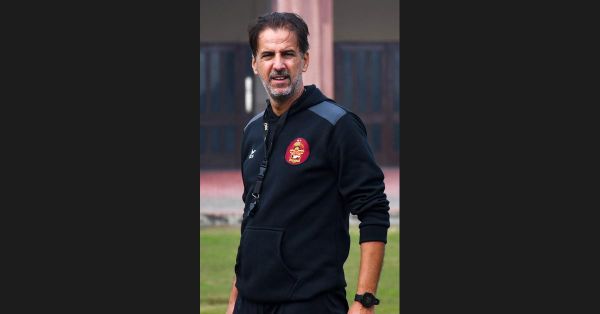
Tahir Salayev, Azerbaijani football coach and analyst, in a dramatic black-and-white portrait, looking down in a textured training top against a dark background.
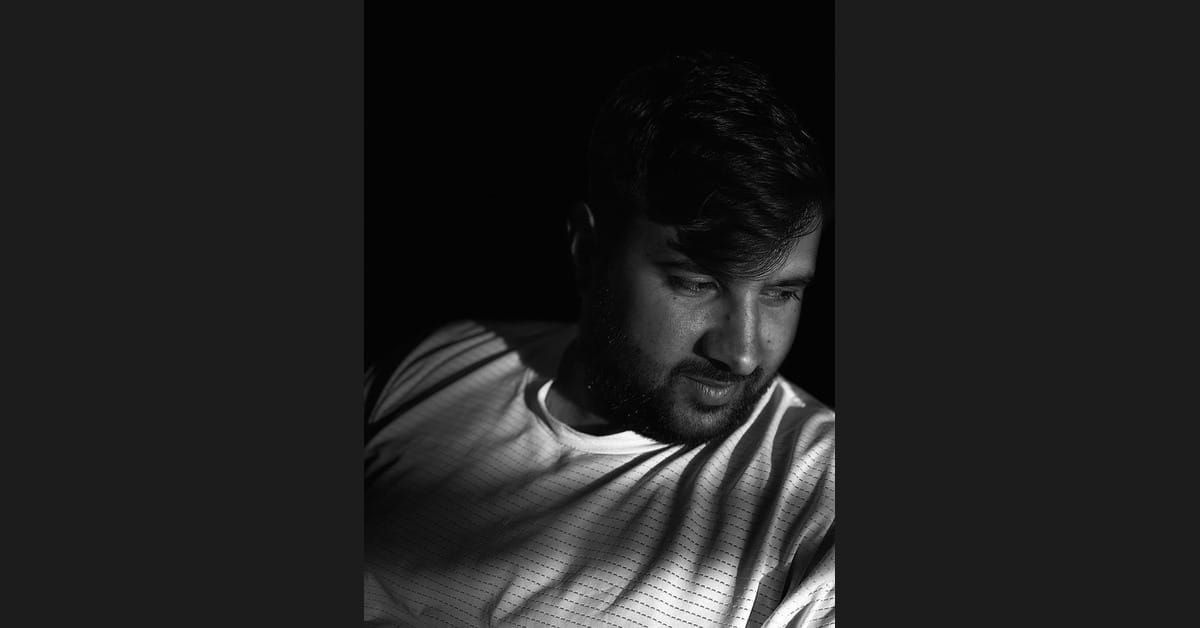
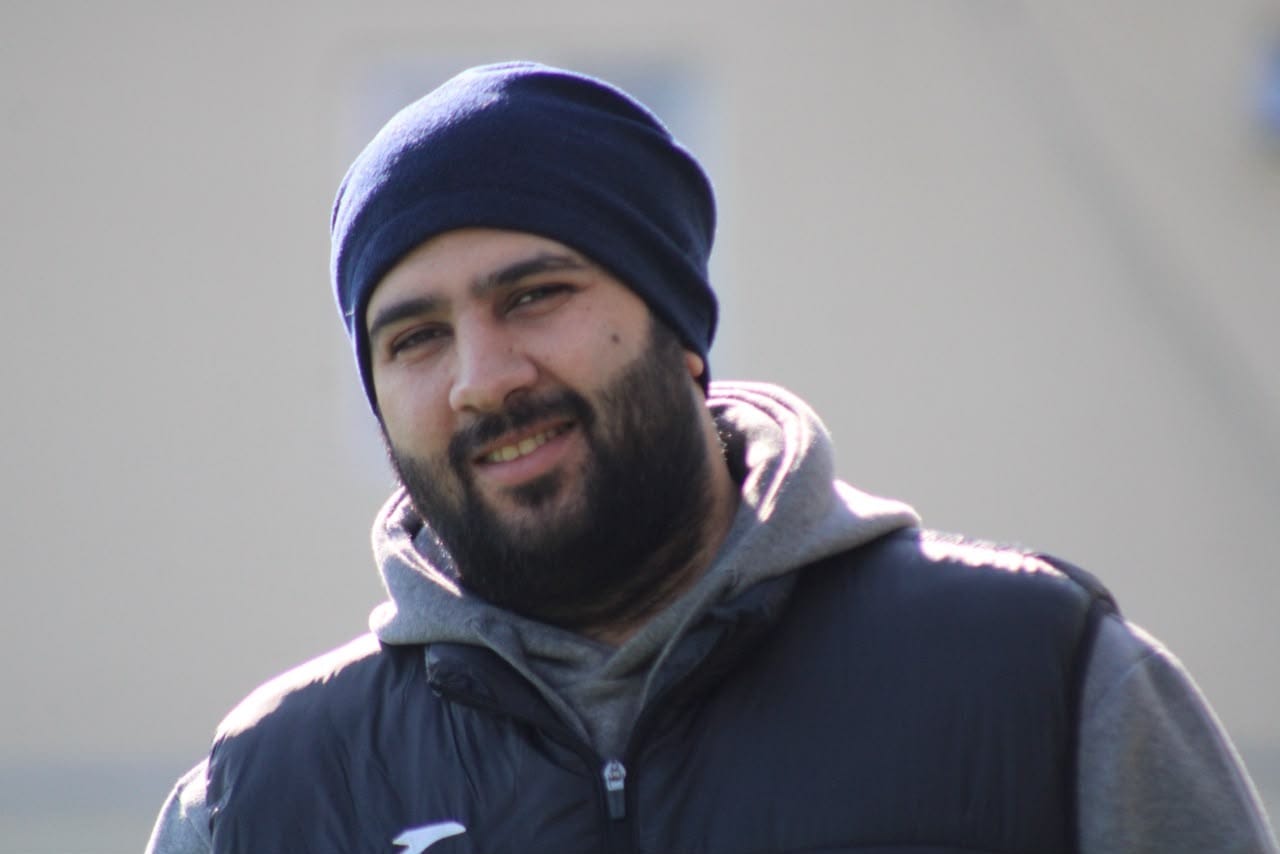
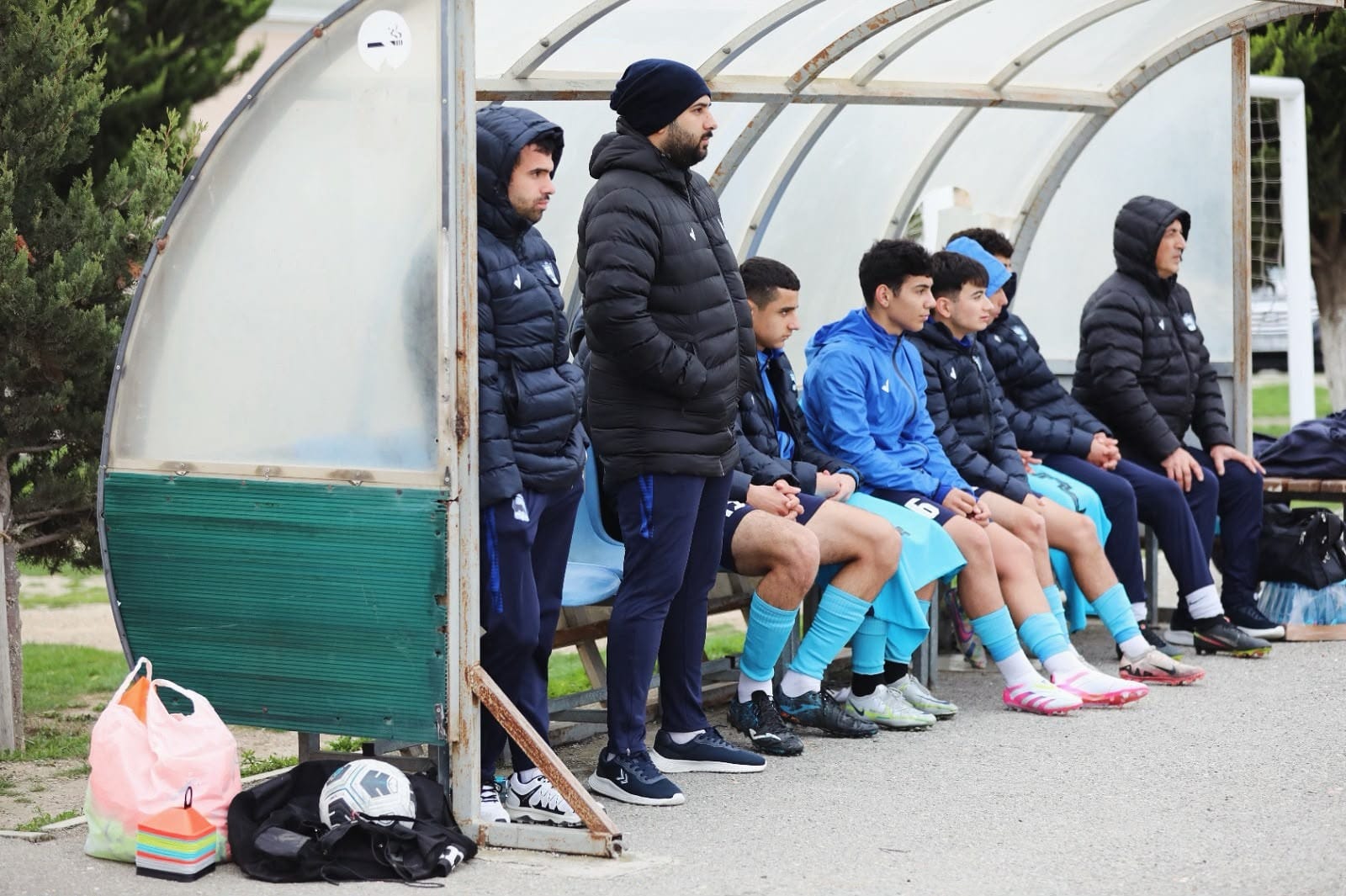
Tahir Salayev came to football through the questions most people skip. "What truly attracted me," he says, "was not only playing it, but understanding it — how teams are structured, how decisions are made under pressure, and how small details influence the outcome." The Azerbaijani coach and analyst has built a young career around that instinct, and it gives this interview its title: why before what. He works today as coach analyst at Şahdağ Qusar FK, having moved there after a spell across the academy and second team at Qarabağ FK — the club he was at when we spoke. This is his first written exchange with Football Agent Lab.
What sets the conversation apart is how deliberately he has built his method. His training week runs a clear sequence — game, analysis, planning, implementation — with every session tied to the game model rather than left as an isolated drill. He credits a run of Barça Innovation Hub courses (high-press, structured observation, build-up play, set pieces) with turning his analysis from "general and observation-based" into something built on clear principles, and he is comfortable naming his tools, from Veo Cam 3 to LiveTagPro. But the change he values most is a mindset one: the move, in his words, from focusing on "what we do" to understanding "why we do it."
He is unusually clear, for a coach still early on, about what he believes and where he falls short. He does not treat structure and creativity as enemies — "structure enables creativity," he says, and without it creativity becomes ineffective. Asked to choose between raw technical quality and the right mentality in a young player, he leans, without much hesitation, toward mentality: technique can be trained, but discipline and resilience decide how far it travels. And asked where he still has work to do, he names it plainly — in-game decision-making under pressure. His ambition runs abroad in time, to different football cultures and higher levels; for now, it runs through the same conviction he opened with, that the reason behind an action matters more than the action itself.
Coach Analyst · Video Analysis · Youth Development · Scouting
CURRENT ROLE:
Coach Analyst · Şahdağ Qusar FK (Azerbaijan) · 2026–present
CAREER
- Şahdağ Qusar FK — Coach Analyst · 2026–present
- Qarabağ FK — Academy & Second-Team Analyst · 2025–2026
- Zirə 2 — Analyst · 2024–2025
- Zirə FK U-16 — Assistant Coach & Analyst · 2023–2024
- Baku Sporting FC U-15 — Head Coach · 2022–2023
METHODOLOGY
- Video analysis (Veo Cam 3, LiveTagPro); performance & opposition analysis
- Structured observation; set-piece, build-up and high-press analysis
- Foundation-phase youth development; game-model implementation; scouting
LICENCES & EDUCATION
- UEFA C Licence (2021)
- Barça Innovation Hub — Advanced Football Tactical Analysis; high-press, observation methodology, build-up & set-piece analysis
- PFSA Foundation Phase Scouting
- BA in Translation Studies, Baku Eurasia University (2014–2018)
PART 1 · UNDERSTANDING, NOT ONLY PLAYING
To start, could you introduce yourself? What first drew you to football, and was there a defining moment that made you think, "I want to be a coach"?
My name is Tahir Salayev, and I have been working in football since 2019 as both a coach and an analyst. Currently, I am part of Qarabəğ FK, where I work as an analytical coach across both academy and second-team levels. My role involves performance analysis, opponent analysis, and supporting the coaching process with structured insights.
Football has been a central part of my life from a very early age. However, what truly attracted me to the game was not only playing it, but understanding it. I became interested in the deeper aspects of football — how teams are structured, how decisions are made under pressure, and how small details influence the outcome of the game.
My decision to become a coach was not a single moment, but a gradual realization. As I became more involved in analyzing games, I understood that my strengths were in reading the game, identifying patterns, and translating those insights into practical ideas. Over time, it became clear that I wanted to contribute not only as a participant in football, but as someone who helps develop players and improve performance.
Why did you choose to work with young players, and what does it mean to you personally?
Working with young players was a conscious and intentional decision for me. I have always been more interested in the process of development rather than managing a finished product.
In academy football, you are not only working on improving technical skills, but also shaping the player's understanding of the game, their decision-making, and their mentality. This stage is critical because it forms the foundation for everything that comes later in a player's career.
What motivates me most is the ability to see real progress over time. With young players, development is visible on a daily basis — whether it is in their positioning, decision-making, or confidence on the ball. This creates both motivation and responsibility, because your work directly impacts their long-term growth.
For me, this role goes beyond being a job. It is about influencing how players think, how they approach the game, and how they develop as individuals.
Is there a coach or mentor who has genuinely shaped the way you think about football? What was it about their philosophy or approach that stuck with you?
My football philosophy has been shaped by a combination of different influences rather than a single mentor. I have studied various coaching approaches and football schools, especially those that emphasize structure and positional understanding.
One of the most influential figures for me has been Pep Guardiola. His approach to positional play, control of space, and attention to detail showed me how structured and complex football can be at the highest level.
However, I do not believe in copying a single coach. Instead, I focus on understanding different ideas and building my own model based on what is most effective. Continuous learning through courses, analysis, and practical experience has been essential in shaping my approach.
PART 2 · A DELIBERATE STEP SIDEWAYS
Taking charge of the Baku Sporting U-15 side was your first experience leading a team on your own. What was that like in practice? What was the first real challenge that hit you when you stepped into that role?
My first experience as a head coach was with Baku Sporting U-15, and it was a very important stage in my development.
For the first time, I was fully responsible for all aspects of the team — planning training sessions, preparing for matches, managing players, and overseeing their development. This experience showed me that coaching is not only about knowledge, but also about leadership, communication, and decision-making.
One of the biggest challenges I faced was managing a group with different levels of ability. Some players were more advanced, while others needed more support. Balancing development while maintaining team structure required careful planning and individual attention.
This experience taught me that a coach must be adaptable and able to manage both the collective and individual needs within the team.
Moving to Zire FC, you shifted from head coach to assistant and analyst — which, on paper, looks like a step back. How did you make sense of that decision? What were you hoping to gain from it?
Although it may appear as a step back, it was a deliberate and strategic decision.
As a head coach, I gained valuable experience in leadership and team management. However, I realized that to reach a higher level, I needed to deepen my understanding of tactical analysis, game preparation, and structured coaching methodologies.
Moving into an analytical and assistant role allowed me to observe the game from a different perspective. I was able to focus more on details, improve my analytical thinking, and understand how decisions are made at a higher level.
For me, development has always been the priority. This step was part of a long-term plan to become a more complete coach.
For me, development has always been the priority.
At Qarabəğ FK, you're working across both the academy and the second team simultaneously. Those are two very different environments. What's the biggest difference you notice between the two, and how do you navigate that gap day to day?
The biggest difference lies in the objective of each environment.
In the academy, the focus is on development. The aim is to improve players' technical abilities, tactical understanding, and decision-making. Mistakes are part of the learning process, and players are encouraged to express themselves.
In the second team, the environment is more competitive and performance-driven. Results, consistency, and execution of the game plan are more important.
To manage this, I keep the same core principles but adapt my approach. In the academy, I emphasize learning and development, while in the second team, I focus more on performance, efficiency, and decision-making under pressure.
PART 3 · STRUCTURE ENABLES CREATIVITY
When you're working with young players, how do you balance tactical structure with giving them the freedom to develop their own technical identity? There's a school of thought that introducing tactics too early can actually kill creativity — where do you stand on that?
I do not see structure and creativity as opposites. In fact, I believe that structure enables creativity.
Players need a clear framework — understanding positioning, spacing, and decision-making principles. Within that framework, they can express themselves and make creative decisions.
Without structure, creativity can become ineffective. Without creativity, structure becomes predictable.
My goal is to create players who can make intelligent decisions within a structured environment.
Without structure, creativity can become ineffective. Without creativity, structure becomes predictable.
Walk us through how you typically build a training week. Do you have a set framework you work from, and how does your analysis work feed into the sessions you put together?
I structure my training week based on the game model and the upcoming opponent.
The process follows a clear sequence: game → analysis → planning → implementation.
After each match, I analyze both our performance and the opponent's tendencies. Based on that, I define the key objectives for the week.
The training microcycle is organized with a clear progression — recovery at the beginning, tactical work in the middle, and specific match preparation towards the end.
Each session is designed with a clear purpose, directly linked to the game model and match requirements.
In youth football, managing parents can be just as demanding as managing players. Do you have a philosophy around how you communicate with families? Has there been a situation where that relationship was tested, and how did you handle it?
Communication with parents is an important part of youth football.
My approach is based on clarity and transparency from the beginning. I define expectations, roles, and the development process early on to avoid misunderstandings.
In difficult situations, I remain calm and professional. I explain decisions based on objective criteria such as performance, training attitude, and development level.
The key is to maintain a collaborative relationship focused on the player's development.
Has there been a moment where you had to say something genuinely difficult to a player — something uncomfortable but necessary? How did you approach it, and what did it teach you about yourself as a coach?
Yes, this is a natural part of coaching.
For example, informing a player that they will receive less playing time is never easy. In such situations, I focus on honesty and clarity.
I explain the reasons behind the decision and provide clear guidance on how the player can improve.
This approach helps players understand the situation and stay focused on development.
PART 4 · WHY WE DO IT
You went out of your way to study high-pressing football specifically. What draws you to that style, and do you think it's something that can realistically be taught at the youth level — or does it need to wait until players are more developed?
High-press football allows a team to actively control the game.
It is not just about pressing high, but about collective organization, timing, and coordinated movement.
At youth level, I focus on teaching the principles of pressing rather than implementing a complete system. This helps players understand the logic behind it.
You've completed several courses through Barça Innovation Hub — high-press, observation methodology, set-piece analysis, build-up play. How much of that has actually made it onto the training pitch? Can you point to something concrete where you thought, "that course changed how I work"?
The Barça Innovation Hub courses significantly influenced how I approach both analysis and training.
Before that, my analysis was more general and observation-based. After completing the courses, it became more structured, based on clear principles and specific indicators.
For example, concepts such as positional play and structured observation directly impacted how I design training sessions. I no longer see training as isolated drills, but as interconnected tasks linked to specific phases of the game.
In practical terms, this means that every training session has a clear objective related to the game model — whether it is improving build-up play, positional relationships, or decision-making in specific areas of the pitch.
The most important change for me was shifting my mindset from focusing on "what we do" to understanding "why we do it." This has made my work more purposeful, more consistent, and more aligned with long-term development.
The most important change for me was shifting my mindset from focusing on "what we do" to understanding "why we do it."
You're using tools like Veo Cam 3 and LiveTagPro in your day-to-day work. How do you think about the relationship between data and gut instinct — and do you believe analytical ability is now a core part of being a good coach, or are coaching and analysis fundamentally different skill sets?
I see data and intuition as two complementary elements rather than opposing ones.
Data provides objective information — it helps identify patterns, trends, and details that are not always visible during the game. It answers the question of what happened.
However, data alone does not explain the full context. This is where intuition, built through experience and understanding of the game, becomes essential. It allows you to interpret why something happened and how to respond to it.
In my work, I use data to support decision-making, not to replace it. The key is to filter information, focus on what is relevant, and apply it effectively within the reality of the game.
PART 5 · MENTALITY FIRST
You've also completed PFSA's Foundation Phase Scouting course. When you're assessing a young player, what are you actually looking for? If you had to choose between raw technical quality and the right mentality, which way do you lean?
Both are important, but if I had to choose, I would prioritize mentality.
Technical ability can be developed through training, but mentality — such as discipline, consistency, willingness to learn, and resilience — determines how far a player can progress.
When I evaluate young players, I pay close attention to how they react to mistakes, how they respond to challenges, and how they behave in difficult situations. These factors provide a clearer indication of their long-term potential.
In the long run, mentality is what sustains development and allows technical ability to reach its full potential.
Technical ability can be developed through training, but mentality determines how far a player can progress.
Have you had the experience of watching a player you developed move up to the next level? What does that feel like? And on the other side — how do you deal with a player you believed in who walks away from the game?
Seeing a player develop and move to a higher level is one of the most rewarding aspects of coaching.
For me, it is not just about the outcome, but about the process — the work, consistency, and structure behind that progress. It also reinforces the responsibility of the role, knowing that your work has a real impact on a player's path.
On the other hand, situations where players walk away from football are more challenging. In those cases, I try to look beyond football and focus on the individual.
Not every player will become professional, but every player should be guided properly. My role is to support them, communicate honestly, and help them find direction, even outside football if necessary.
PART 6 · THE VIEW FROM AZERBAIJAN
If you're being honest, how would you assess the state of youth development in Azerbaijani football right now? What's the one thing you'd fix first if you had the power to?
There has been noticeable progress in youth development in recent years, particularly in the establishment of academies and improvements in coaching education.
However, I believe there is still a need for a more unified and long-term development model. In some cases, short-term results are prioritized over player development, which can limit long-term potential.
If I could change one thing, it would be the introduction of standardized development principles across all academies. This would create consistency in player development and provide clear guidelines for both coaches and players.
Such a system would make development more structured, measurable, and sustainable.
You speak English, Azerbaijani, and Turkish. Has that ever made a tangible difference in a coaching environment — a moment where being able to communicate across languages or cultures genuinely changed how something played out?
Yes, it has made a significant difference.
Football environments are often multicultural, and effective communication is essential. Being able to communicate in different languages allows me to explain ideas more clearly and ensure that players fully understand instructions.
It also helps build trust and bridge cultural differences, which is important when working with players from different backgrounds.
For me, language is not just a communication tool — it is a key part of connection and clarity within a team.
PART 7 · STRENGTHS AND BLIND SPOTS
What do you think you're genuinely good at as a coach? And what's the area where you still feel like you have real work to do?
One of my main strengths is analytical thinking. I am able to understand the game in a structured way, identify key patterns, and translate those insights into practical training solutions.
I am also committed to continuous learning and self-improvement, constantly looking for ways to refine my approach.
In terms of development, I am working on improving my in-game decision-making, particularly in high-pressure situations where quick and effective decisions are required.
I see this as an important step in my progression as a coach.
The demands on coaches are broader than ever — tactician, motivator, data analyst, psychologist. Given all of that, how would you define what a good coach actually is, in your own words?
A good coach is someone who understands the game deeply and can communicate that understanding clearly to players.
They must be adaptable, able to adjust their approach based on the situation, opponent, and team dynamics.
At the same time, a good coach must be able to manage people — building trust, creating a positive environment, and guiding players effectively.
In modern football, a coach is not only a tactician, but also a leader who combines knowledge with strong interpersonal skills.
PART 8 · A CLEAR IDENTITY
Finally, where do you see yourself in five to ten years? Are you thinking beyond Azerbaijan at some point — and when you picture the coach you ultimately want to become, what does that look like?
In the next 5 to 10 years, I see myself working at a high professional level, both domestically and internationally.
Working abroad is part of my long-term vision, as it allows exposure to different football cultures, new ideas, and higher levels of competition.
My goal is to develop into a coach with a clear identity — someone who is analytical, structured, and aligned with the demands of modern football.
I want to build teams that are organized, proactive, and recognizable in their style of play — teams that are not only successful in results, but also in how they perform on the pitch.
I want to build teams that are not only successful in results, but also in how they perform on the pitch.
CLOSING
Read start to finish, Tahir Salayev is a coach who has organised his own development the way he wants to organise a team — deliberately, in sequence, with a reason behind every step. He chose youth football because he prefers the process to the finished product. He took what looked like a step back, from head coach to analyst, because he judged it the faster route to becoming complete. And he credits a run of courses not with new drills but with a new question: not "what we do," but "why we do it." For a coach still early in his career, the self-command is striking.
The convictions underneath are just as clear. Structure and creativity are partners, not rivals — one keeps the other from becoming either ineffective or predictable. Data supports judgement without replacing it. And when the choice is between a gifted young player and a committed one, he takes the mentality, because technique can be taught and resilience is what carries it. He is honest, too, about the gap in his own game — in-match decisions under pressure — which is the kind of thing coaches usually discover late and admit later still.
He is at Şahdağ Qusar FK now, reading opponents and building sessions, with an eye that has been trained to look past the action to the reason for it. His ambition points abroad in time, to bigger stages and other football cultures, but the identity he wants is already stated: analytical, structured, recognisable. On the evidence of this exchange, he knows exactly why before he decides what. Football Agent Lab will be watching where that takes him.
ABOUT THE AUTHOR
SEOK LIM Editor · Football Agent Lab
FIFA-licensed football agent and steel market analyst with over a decade of experience in commodity research. Football Agent Lab publishes interviews and market reports at the intersection of football, agency work, and global markets.