Seeing the Whole Pitch, and Beyond — Ricardo Majano
Honduran goalkeeper Ricardo Majano on moving from Villanueva to the top flight of Belize via Honduras's second division — including the 2024–25 Clausura title with Independiente — and what it taught him about reading the game, commanding the box, and resetting in five seconds.

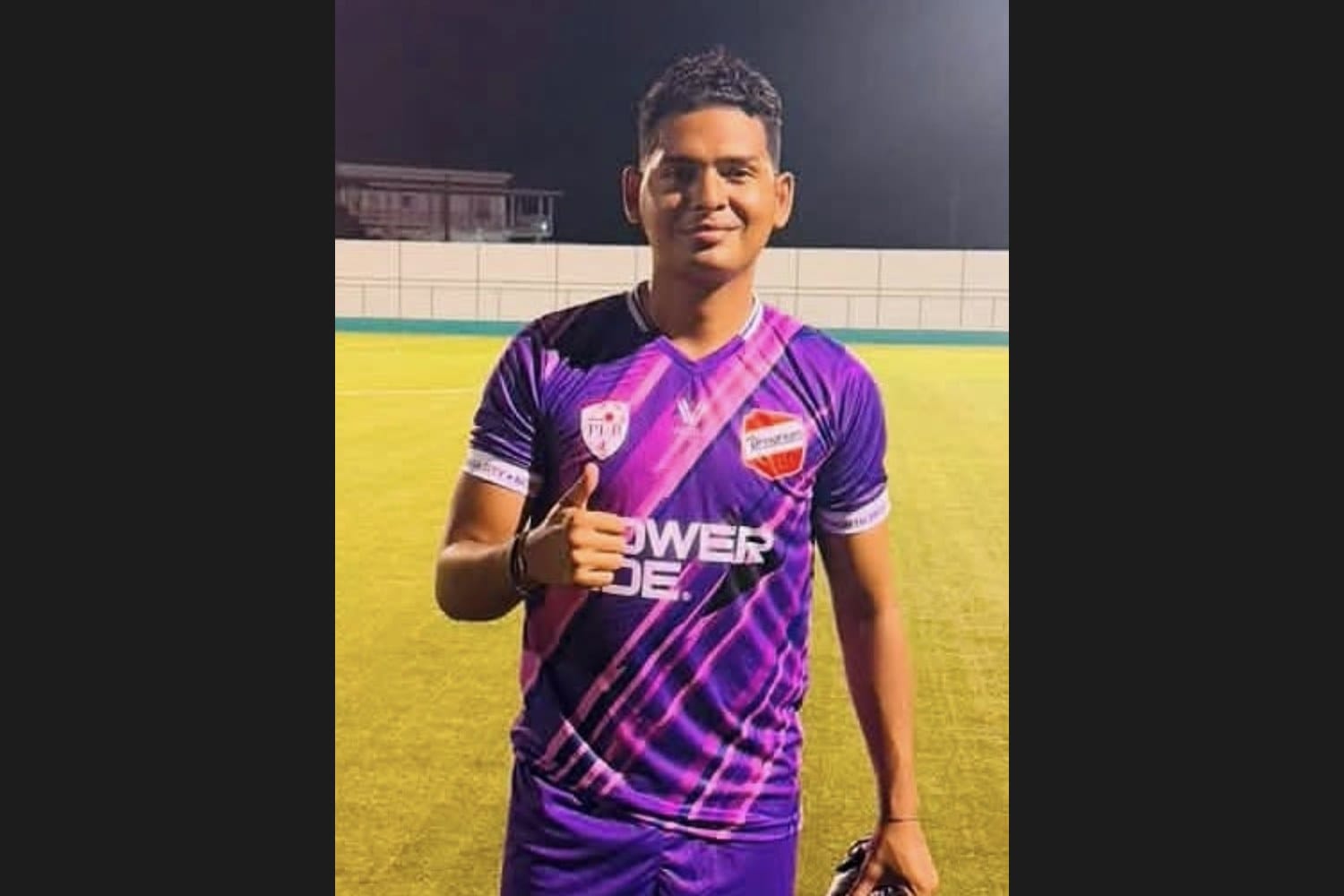
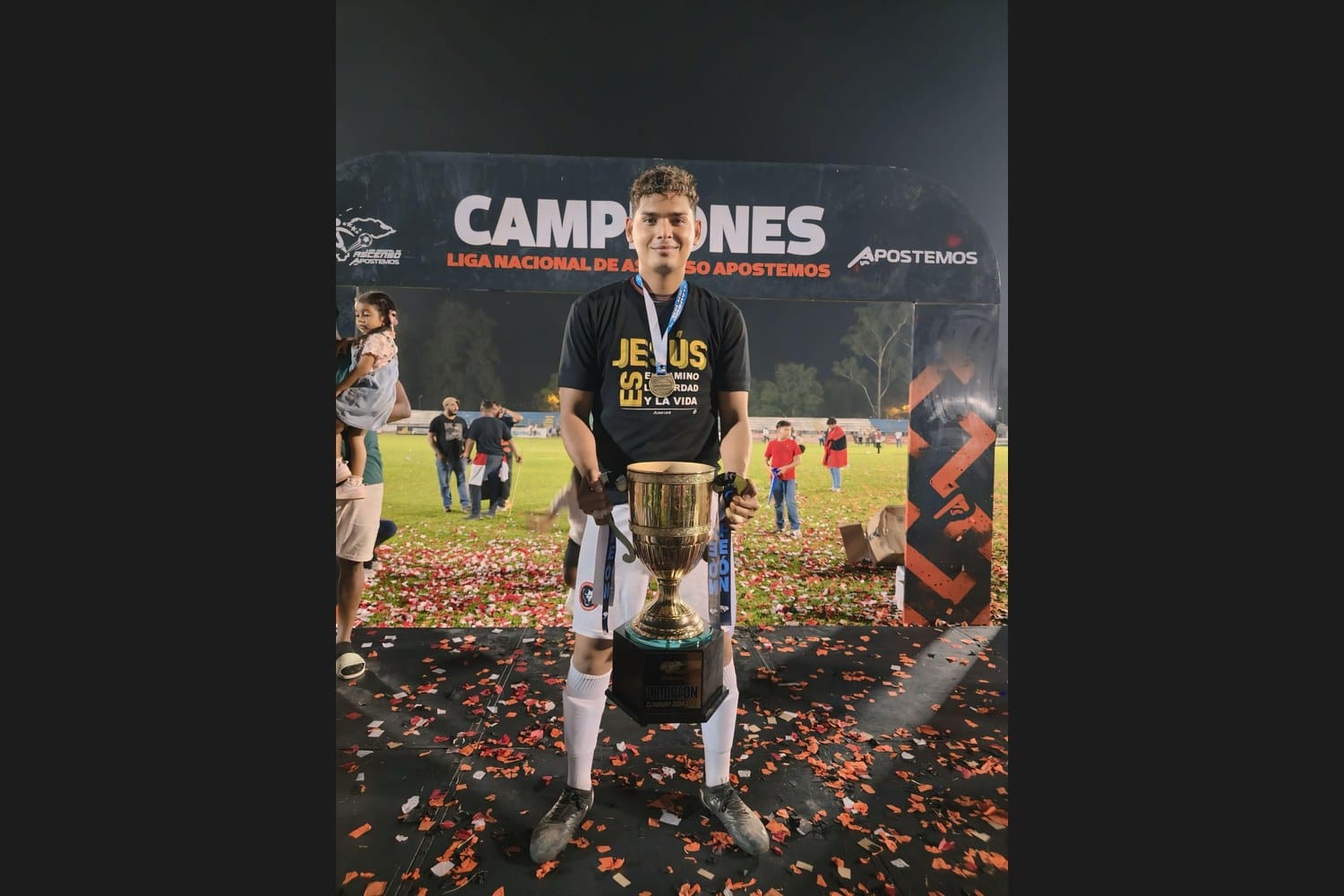
Ricardo Majano keeps goal for Progresso FC in the Belize Premier League. He is Honduran, from Villanueva, and he has come to the Belizean top flight by way of a journeyman tour of the Honduran second tier that most foreign readers will not have followed in real time but is nonetheless consequential. Villanueva FC first, in 2022 and 2023. América in 2024. Real Juventud in 2024. Independiente in 2025, where he won the Liga Nacional de Ascenso 2024–25 Clausura title. Oro Verde in 2025. Cuervos in 2026. And in August 2026, Progresso FC in Belize — his first club outside Honduras — where, as of November 2026, Transfermarkt lists him as the highest market-valued goalkeeper in the Belize Premier League.
Asked in Q1 to introduce himself, he does it in a single sentence that doubles as a professional self-statement: "I am Ricardo Majano, a professional goalkeeper from Honduras… I consider myself a focused, analytical goalkeeper who is always striving to evolve both on and off the pitch." Asked in Q2 why goalkeeper over any other position, he goes back to the moment his father bought him his first pair of boots and his first gloves. Asked in Q5 which match taught him the most, he names a game he conceded in rather than a game he won, and extracts the rule he still plays by: "errors don't define your talent — how you react to them does."
In the written exchange that follows, Ricardo walks through what cycling through six clubs in four years taught him about adaptation; what has felt most different in Belize; how he decides in a split second whether to hold his ground in a 1v1 or burst out to close the angle; how he reads a cross before it is struck — body shape of the taker, trajectory, landing zone, traffic in the box; how he has worked on his distribution and what he still wants to improve (his weak foot, and the choice between a line-breaking pass and a long ball); how an English-speaking dressing room forced him to learn the short, precise calls — Time, Man on, Alone, Free — that organise a new back line; the five-second rule he uses to reset after a mistake; the model he studies most carefully (Keylor Navas); and — in the closing answer — the three-continent horizon he keeps open for the medium and long term: Europe, South America, or Asia. The title line is from Q10 and sits in the middle of the piece: the goalkeeper's single, structural advantage is seeing the whole pitch in front of him. And beyond it.
What follows is a written exchange, published in his own words and in the order he answered them. The introduction to FAL was made by coach Reinerio Márquez.
Honduran professional goalkeeper · Progresso FC (Belize Premier League) · 2024–25 Clausura champion
CURRENT CLUB
Progresso FC (Belize Premier League, top flight) · since August 2026
CAREER
- 2026–present · Progresso FC (Belize, top flight) · Goalkeeper
- 2026 · Cuervos (Honduras, second tier) · Goalkeeper
- 2025 · Oro Verde (Honduras, second tier) · Goalkeeper
- 2025 · Independiente (Honduras, second tier) · Goalkeeper — 2024–25 Clausura champion
- 2024 · Real Juventud (Honduras, second tier) · Goalkeeper
- 2024 · América (Honduras, second tier) · Goalkeeper
- 2022–2023 · Villanueva FC · Goalkeeper
HONOURS AND RECOGNITION
- 2024–25 · Liga Nacional de Ascenso Clausura champion · Independiente (Honduras, second tier)
- 2026 · Highest market-valued goalkeeper in the Belize Premier League (€100k, Transfermarkt, November 2026)
PLAYING STYLE
- Strengths: 1v1 shot-stopping · reading of the game · positioning
- Back-line organisation through short, clear calls — Time, Man on, Alone, Free
- Decision mechanism on 1v1: striker's touch + distance from the ball — stay on feet as long as possible
- Decision mechanism on crosses: body shape of taker, trajectory, landing zone, traffic in the box
- Mental reset: five-second rule after a mistake
- Weekly preparation: video analysis, gym for power and injury prevention, cryotherapy and compression boots, nutrition and rest
PART 1 · INTRODUCTION
Ricardo, thank you for taking the time to do this interview. To start, could you introduce yourself to our readers?
"Greetings to all the readers. I am Ricardo Majano, a professional goalkeeper from Honduras. Throughout my career, I've had the opportunity to compete for various clubs in my country, and I currently play for Progresso FC in the Belize Premier League. I consider myself a focused, analytical goalkeeper who is always striving to evolve both on and off the pitch."
"I am Ricardo Majano, a professional goalkeeper from Honduras… I consider myself a focused, analytical goalkeeper who is always striving to evolve both on and off the pitch."
PART 2 · EXPERIENCE
Every goalkeeper remembers the day he first put on the gloves. For you, growing up in Villanueva, what was that beginning like, and why did you choose the goal over any other position?
Growing up in Villanueva and taking my first steps in football is something I remember very fondly. The key moment was when my dad bought me my first pair of boots and my very first gloves; seeing those gloves for the first time made a huge impression on me. I chose goalkeeping because I always felt a special pull toward the unique responsibility that comes with the position. Being the last line of defense, having a full view of the pitch, and having the opportunity to save the team in decisive moments brings an adrenaline and a calling that I couldn't find in any other position.
You went on to keep goal for América, Real Juventud, Independiente, Oro Verde and Cuervos in Honduras's Liga de Ascenso. Every club has its own way of playing and training. What did moving through such different teams teach you as a goalkeeper?
Every spell in the Honduran Second Division was a valuable learning experience. I learned key lessons from each and every one of those clubs: adapting to different playing styles, handling pressure in demanding environments, and maturing between the posts. However, my time with Independiente holds a very special place in my heart. Not only did we manage to become champions there, but I was also treated exceptionally well by the management, the fans, and my teammates, making me feel right at home. All of those experiences shaped me into the goalkeeper and person I am today.
In August 2026 you took the step of playing outside Honduras, with Progresso FC in Belize. A new country means new opponents, new pitches and a different football culture. What has felt most different to you as a goalkeeper?
Making the move to Progresso FC in Belize has been a deeply rewarding experience. As a goalkeeper, what I've noticed most is the shift in game dynamics: Belizean football is very physical, fast-paced, and filled with quick transitions. Adapting to different pitches and weather conditions demands even greater focus on reading the game and commanding the penalty area. Facing new rivals and adjusting to a different football culture has pushed me out of my comfort zone and helped me continue elevating my level.
A goalkeeper is shaped by the bad games as much as the good ones. Of all the matches you have played, which one taught you the most, and what did you take away from it?
"The matches you learn the most from are rarely the easy wins; they are the ones where things don't go as planned. I remember a very important match during the season where I made a mistake that led to a goal against us. At that moment, I realized that being a goalkeeper means you can't dwell on mistakes mid-game; you have to turn the page in seconds. That day I learned to build strong mental resilience, stay calm under pressure, and understand that errors don't define your talent—how you react to them does."
"Being a goalkeeper means you can't dwell on mistakes mid-game; you have to turn the page in seconds… errors don't define your talent — how you react to them does."
PART 3 · ABILITIES
Every goalkeeper has one quality that sets him apart: for some it's reflexes, for others positioning, for others command of the box. What is yours, and how did you build it?
I consider my greatest strengths to be my 1v1 shot-stopping, reading of the game, and positioning. Beyond quick reflexes, a good goalkeeper needs to anticipate the play so they are always in the right spot before the shot is taken. In 1v1 situations, I focus on staying calm, holding my ground until the very last second, and closing down angles with authority. I've developed all of this through tactical work, continuous training repetitions, and constant match analysis. Additionally, I place high value on active communication to organize the defense; being well-positioned and confident in those head-to-head moments gives me great composure between the posts.
The one-on-one is perhaps the hardest duel a goalkeeper faces, because you have a split second to decide whether to hold your ground or come out. How do you make that decision?
The 1v1 is pure intuition and split-second reading. In that fraction of a second, I evaluate two main things: the striker's touch and their distance from the ball. If the forward takes a heavy touch or loses control for even a moment, I burst out aggressively to close down as much angle as possible. If they keep the ball close to their feet, I hold my ground so I don't commit too early and force them to make the move. The key is patience and staying on your feet for as long as possible to limit their finishing options.
Crosses and set pieces pose a similar choice: come out and claim the ball or stay on your line, knowing a mistake is costly. What do you look at before you decide?
In set pieces and crosses, the decision-making starts before the ball is even struck. I look closely at the taker's body shape (whether the cross is inswinging or outswinging), the ball's trajectory, the landing zone, and the traffic inside the six-yard box. If the ball is floated into an area I can command and I have a clear path without heavy screening, I come out aggressively to catch or punch. If the cross comes in with sharp inswing or is whipped in too close, I prefer staying on my line to rely on my reaction time. Clear communication with the defenders beforehand is key to reducing uncertainty in those moments.
Today's goalkeeper is also expected to play with his feet and start moves from the back. How have you worked on that side of your game, and what do you still need to improve?
Modern football demands that a goalkeeper acts as the team's first attacker. I've worked extensively on this aspect by actively participating in rondos and possession drills with the outfield players, sharpening my first touch and the precision of my short and mid-range passing. It's a key asset that allows us to build cleanly out from the back under pressure. As for areas I want to keep improving, I'm constantly working on perfecting my weak foot to feel equally comfortable on both sides, as well as refining my decision-making when choosing between a line-breaking pass and a long ball.
PART 4 · THE GOALKEEPER'S ROLE
The goalkeeper is the only player who sees the whole pitch in front of him. How do you use that advantage to organise your defence during a match?
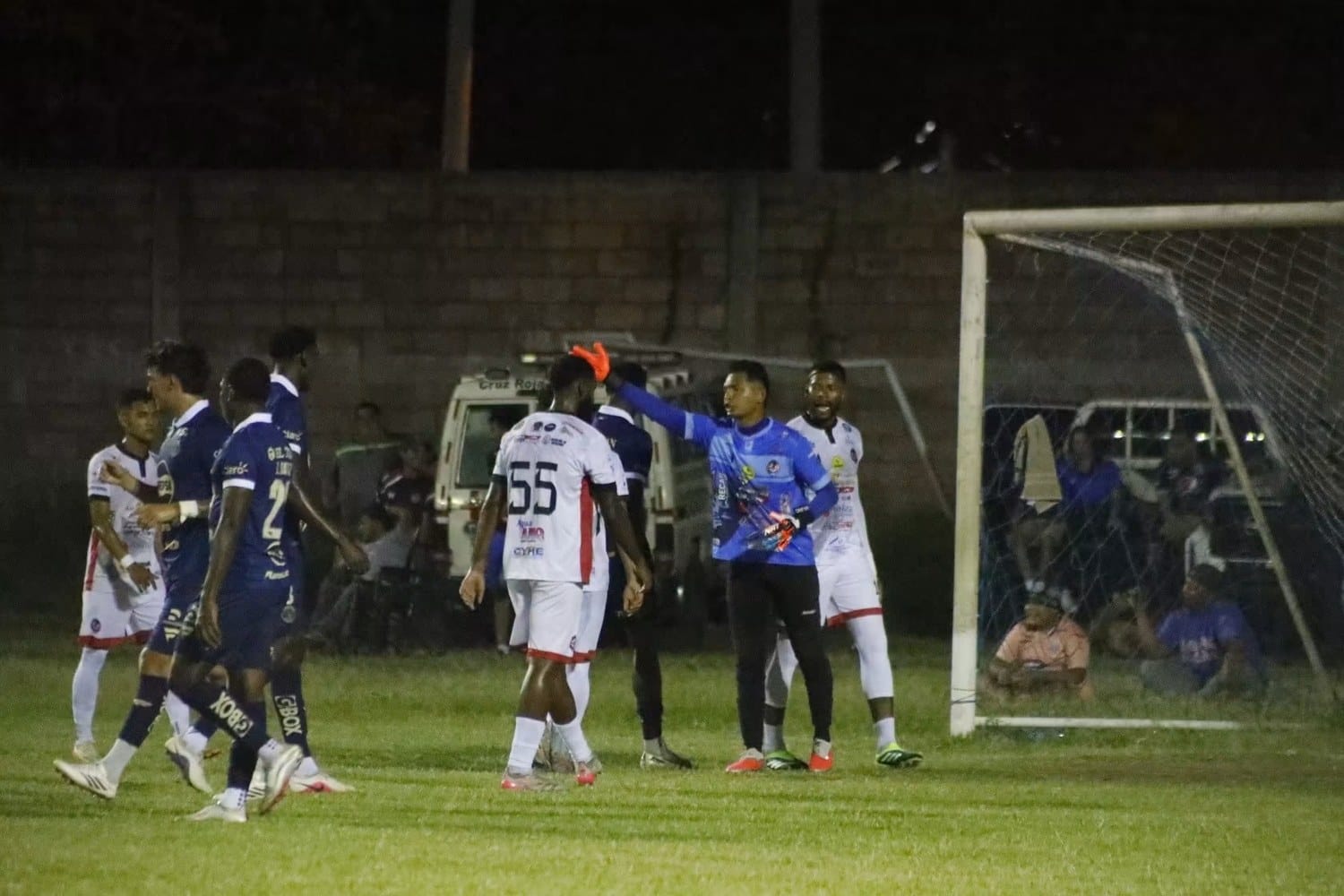
Having a full view of the entire pitch is one of the biggest responsibilities we have. I make the most of that advantage by maintaining constant, clear communication with my center-backs and full-backs. My job is to organize the marking before the opponent attacks, point out open spaces, instruct the defensive line to push up or drop back depending on the flow of the game, and warn them about runners in behind. Talking throughout the entire ninety minutes not only helps prevent danger before it occurs, but also instills calm and organization across the whole team.
PART 5 · PHILOSOPHY
Some goalkeepers like to take risks and play well off their line; others put safety first. Which of those approaches do you identify with, and why?
I identify with a balanced middle ground. I'm not a goalkeeper who takes unnecessary risks outside the box, but I don't stay glued to my goal line all match either. Modern football requires balance: safety must always be the priority, but there are moments when the play demands coming out to sweep behind the defense or acting as a passing option. I analyze each situation in fractions of a second and decide based on what the game calls for—exercising caution when composure is needed, and stepping up decisively when the play demands it.
Which goalkeeper best represents that way of understanding the position, and what have you taken from him for your own game?
The goalkeeper who best represents that balance is Keylor Navas. I admire his style because he is an extremely effective, grounded, and dependable keeper who doesn't take unnecessary risks to solve tough situations. From him, I've learned the value of sharp intuition, quick reactions in 1v1 situations, and, above all, composure during high-pressure moments. He is the prime example of how patience, solid positioning, and decisive shot-stopping transmit immense confidence to the entire team.
People say goalkeeper is the loneliest position in football: you can go long spells without touching the ball and then have to decide the match in a second. How do you stay focused through those spells?
That loneliness is real, but the key to staying locked in is to keep playing mentally even when the ball is far away. I don't just stand there waiting for the play to reach my box; I follow the movement of the ball, speak with my defenders, adjust markings, and constantly analyze the opponent's options. Keeping up that active communication and tactical awareness keeps me in the rhythm of the match at all times. That way, when that split-second decisive moment arrives, my mind and body are already fully dialed in.
PART 6 · ATTITUDE
A goalkeeper's mistake almost always ends in a goal, and the whole stadium sees it. When it happens to you, what do you do in the minutes that follow to stay in the game?
The goalkeeper position requires immense mental toughness because we constantly live on the edge of error. I consider myself a highly resilient keeper, so when I make a mistake, the very first thing I do is reset my mind immediately; I apply a five-second rule to process it, overcome the moment, and let it go. I know the team needs me fully composed for the rest of the match, so I lock back in on the very next play. I re-engage in communication with my defenders, focus on my positioning, and look to make a clean, simple intervention to regain my rhythm. Analyzing the mistake happens in the locker room or during the week; during the ninety minutes, only the next ball matters.
A goalkeeper's career also includes periods of waiting, when you have to keep working without knowing when your chance will come. How have you handled those periods?
Waiting periods test a goalkeeper's character. I've faced them with great discipline and professionalism, understanding them as a time for growth rather than stagnation. Even if you aren't getting minutes on the weekend, you have to train at 100% as if you were starting on Sunday. Cultivating patience, sharpening technical details day in and day out, and keeping a strong mindset ensures that when football gives you the opportunity, you are fully prepared to deliver with confidence and show what you are capable of on the pitch.
What people see on matchday is built during the week. What does your preparation look like, and what do you do on your own beyond team training?
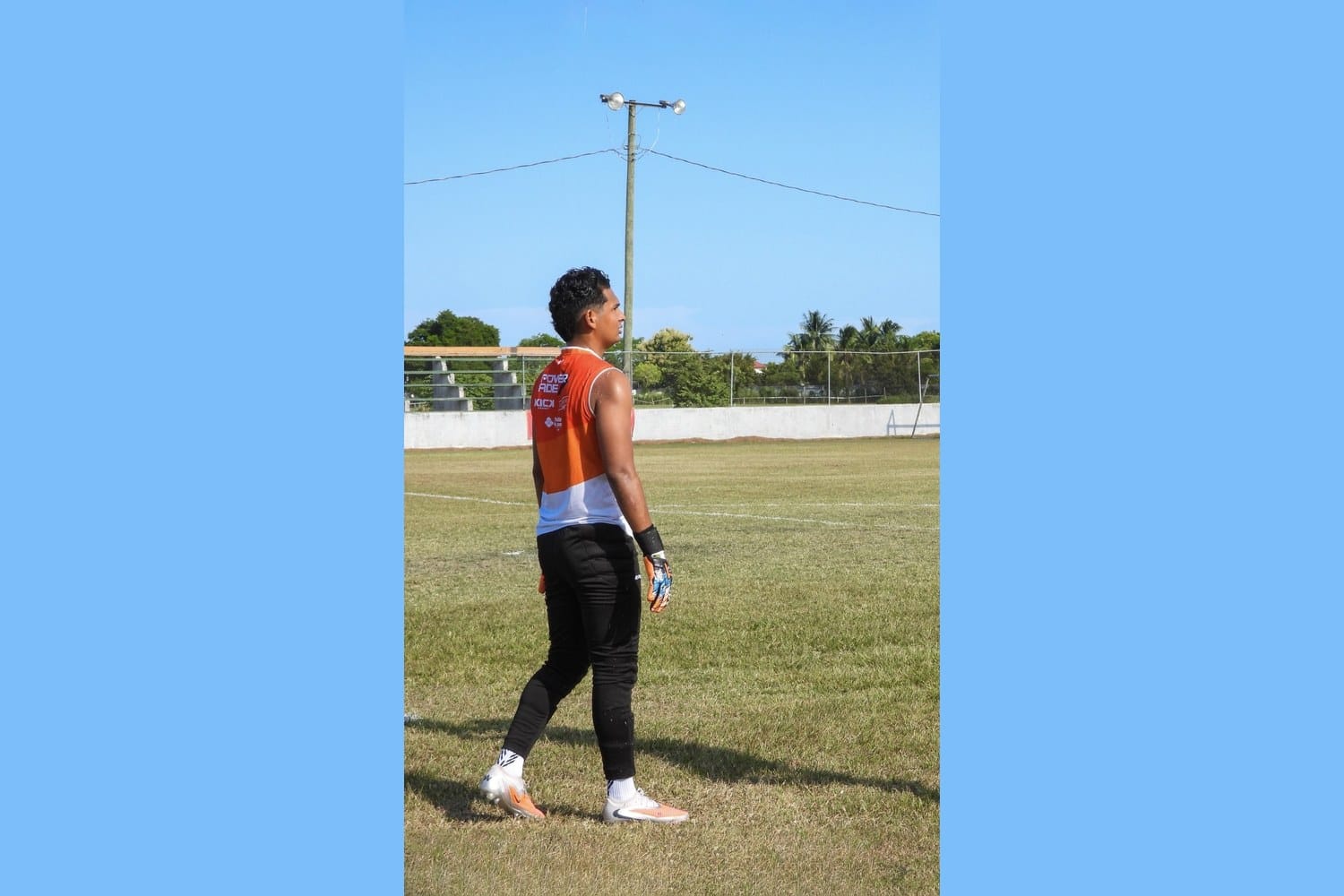
Weekend performance is simply the reflection of the invisible work done throughout the week. Beyond the team sessions and specific goalkeeper training, on my own I focus heavily on the details that make the difference: video analysis of opponents to anticipate their tendencies, gym work tailored for power and injury prevention, and a strict recovery routine using cryotherapy and compression boots. Prioritizing nutrition, rest, and mental preparation ensures I arrive at matchday operating at 100% of my potential.
PART 7 · LOOKING AHEAD
To finish: after everything you have been through so far, what are your ambitions and your plans for the coming years?
In the short term, my clear objective is to play in my country's top division and earn a spot on the national team; representing my country is the greatest honor for any footballer. In the medium and long term, I like to dream big: I aspire to make the jump to a top league in Europe, South America, or Asia. I know that with daily hard work, discipline, and consistent performances on the pitch, the right doors will open to achieve even greater milestones.
"I aspire to make the jump to a top league in Europe, South America, or Asia. With daily hard work, discipline, and consistent performances on the pitch, the right doors will open."
CLOSING
Read end to end, this exchange is a goalkeeper's whole method set out at eye level. A single sentence of self-definition: focused, analytical, always striving to evolve both on and off the pitch. An origin: the gloves his father bought him, a specific memory that explains a career. A decision tree for the 1v1: the striker's touch, the distance from the ball, hold your ground, stay on your feet. A decision tree for the cross: body shape of the taker, trajectory, landing zone, traffic in the six-yard box. A distribution plan built in rondos with outfield players, and an explicit development target on the weak foot. A back-line organised through the structural advantage of the position — having a full view of the entire pitch, used to warn, to push up, to drop, to point out open spaces, to call runners. A trust-building protocol: commitment and professionalism in training, composure and authority on the pitch, support without pointing fingers. A four-word English vocabulary — Time, Man on, Alone, Free — that lets him command a new back line in a language he arrived with. A five-second rule for the mistakes that end up in the back of the net, so that the ninety minutes do not end there. And an explicit choice of model: Keylor Navas.
The itinerary tells the rest. Villanueva first, in 2022 and 2023, where goalkeeping began with a specific pair of gloves. América in 2024. Real Juventud in 2024. Independiente in 2025, and the Liga Nacional de Ascenso Clausura title that he describes as a special place in his heart not only for the trophy but for how he was treated by the management, the fans, and the teammates. Oro Verde in 2025. Cuervos in 2026. And in August 2026, the first club outside Honduras — Progresso FC, Belize, top flight — where he is currently the highest market-valued goalkeeper in the league according to Transfermarkt as of November 2026. Six clubs in four years, told without complaint, each one treated as a classroom.
The horizon in Part 7 is explicit and three-continent. Top division in Honduras and a spot on the national team in the short term; a top league in Europe, South America, or Asia in the medium and long term. He does not try to narrow that list for the reader, and the exchange does not try to narrow it for him. What Korean readers can take from this piece is not a K League pitch — he has not written one — but a straightforward portrait of a goalkeeper whose horizon stays open: a Central-American keeper working through the practical details of his craft, now across a border, doing the English-language back-line work in his second country, and keeping Europe, South America, and Asia on the same shelf. Football Agent Lab will be watching. The introduction to FAL was made by coach Reinerio Márquez — our thanks to him.
FIFA-licensed football agent and steel market analyst with over a decade of experience in commodity research. Football Agent Lab publishes interviews and market reports at the intersection of football, agency work, and global markets.