Norris Ng — Hong Kong Football's One-Man Backroom
Hong Kong football's quiet multidisciplinarian. Across two clubs and four league titles, Norris Ng has carried strength and conditioning, performance analysis, and the assistant coach's bench all at the same time — and would rather not be in the spotlight at all.
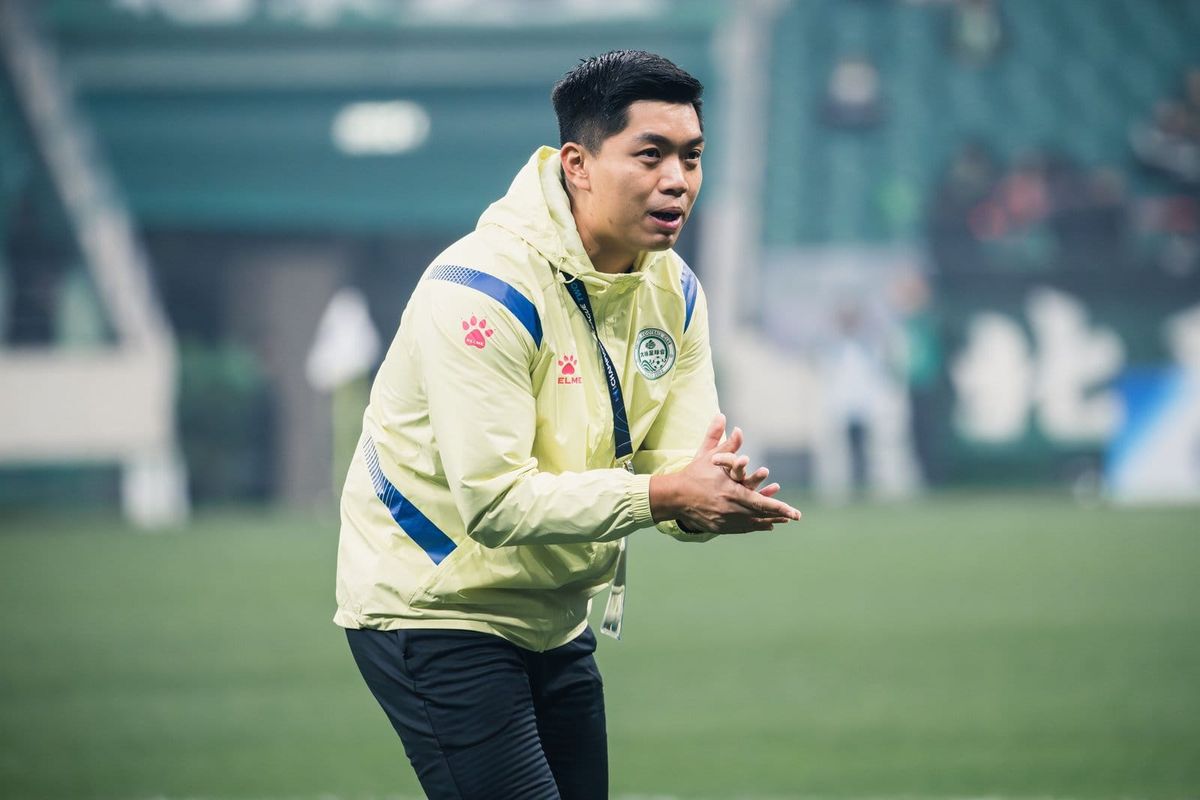
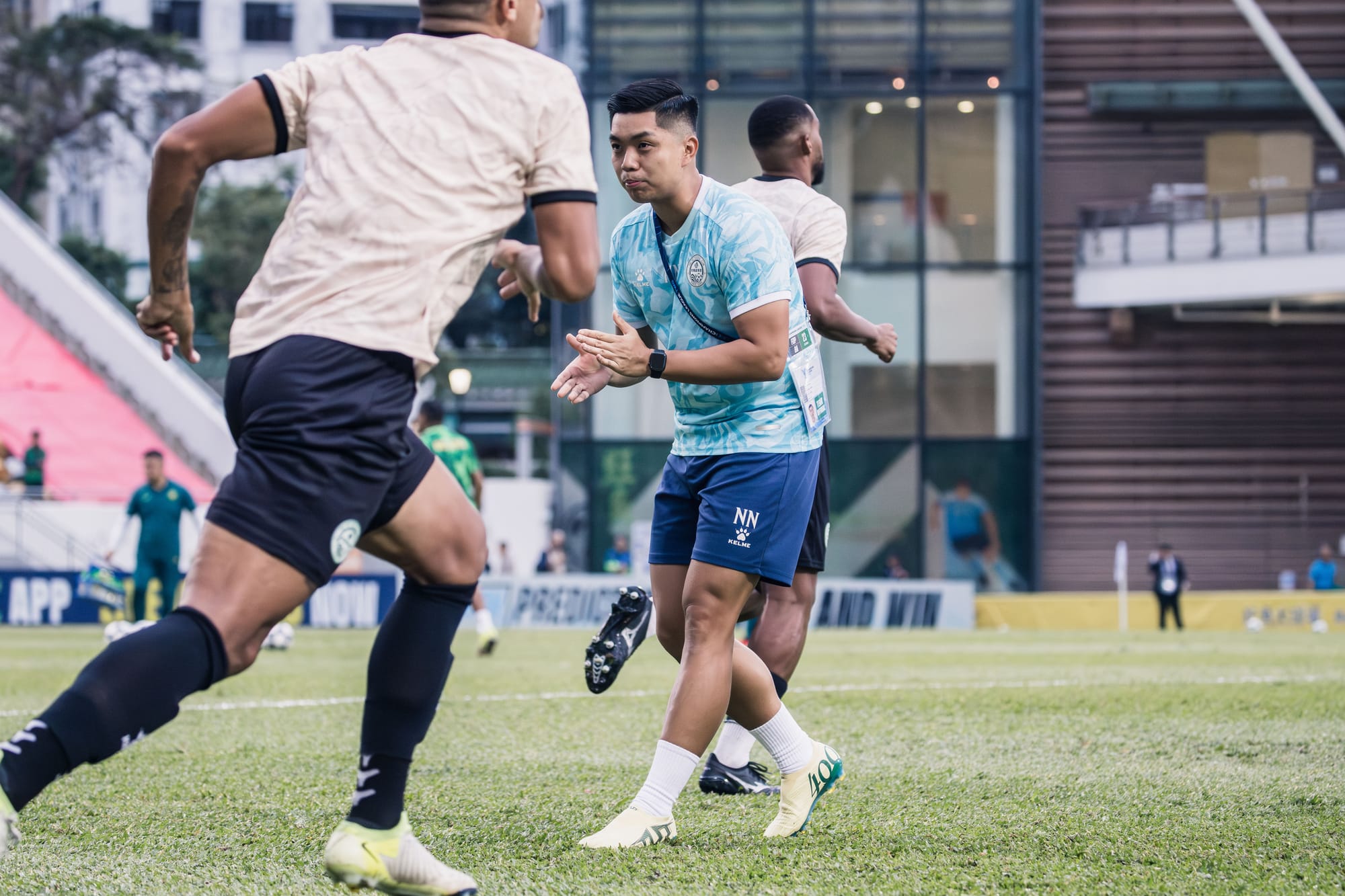
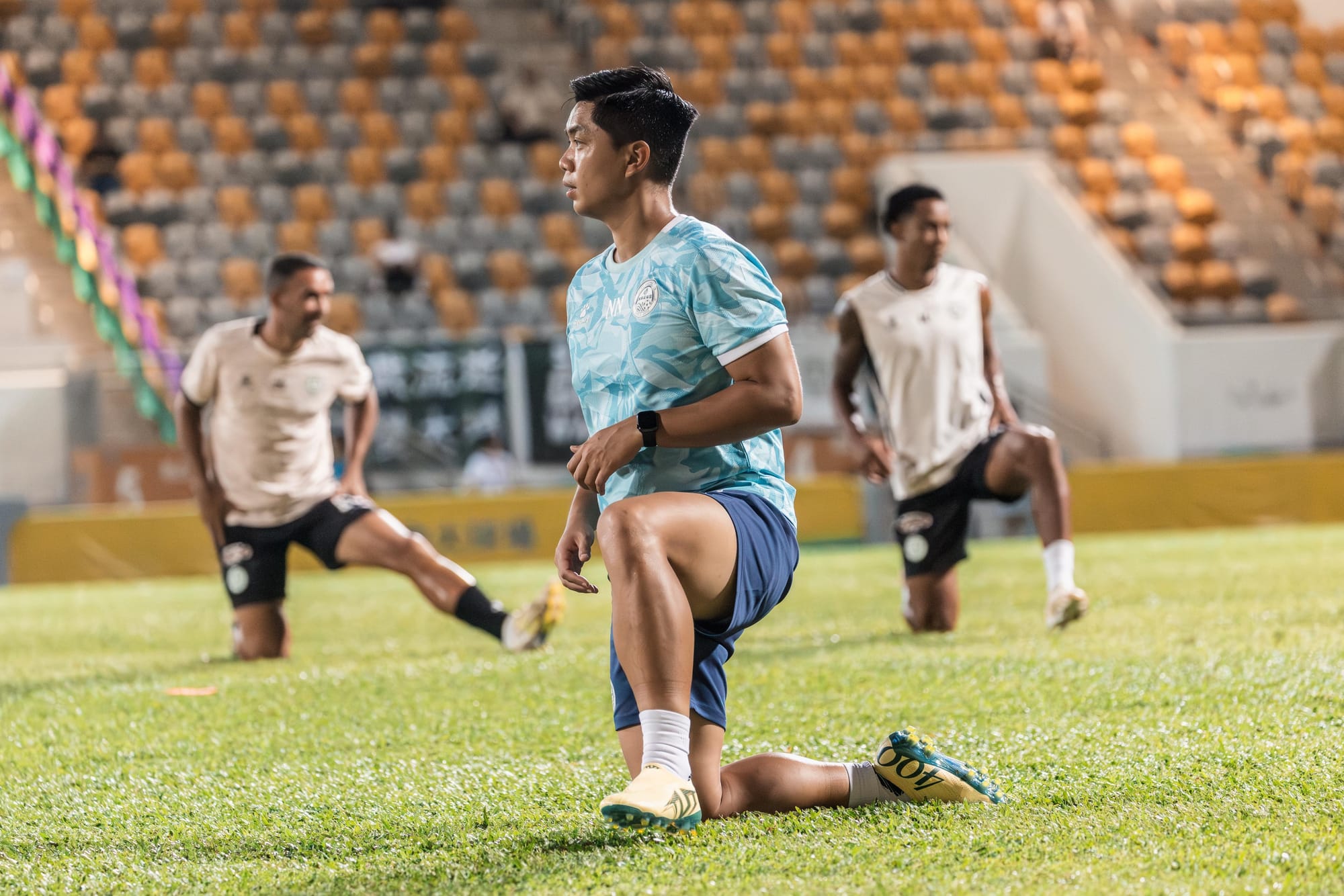
In Hong Kong football, the backroom is rarely staffed for a backroom's worth of work. Resources are thin. Specialists are few. And in the quiet logic of that environment, a generation of practitioners has learned to do four jobs where a richer league might employ four people. Norris Ng — Ng Wing Chung — is one of them. At Tai Po FC since July 2024, he is at once the First Team Strength & Conditioning Coach, the Assistant Coach, the Performance Analyst, and the Academy Physical Performance Lead. He has been carrying three or four of those hats simultaneously since 2018.
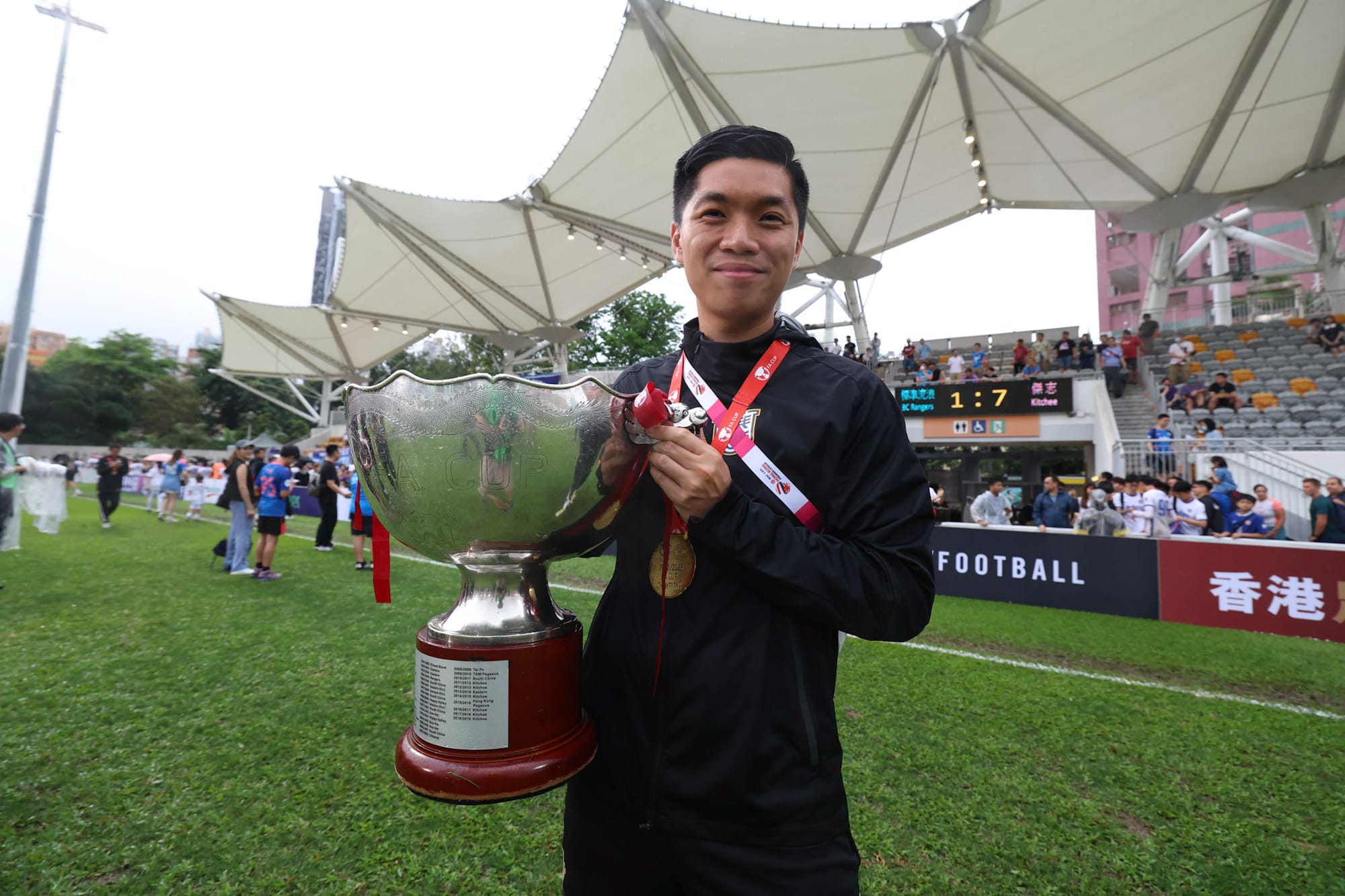
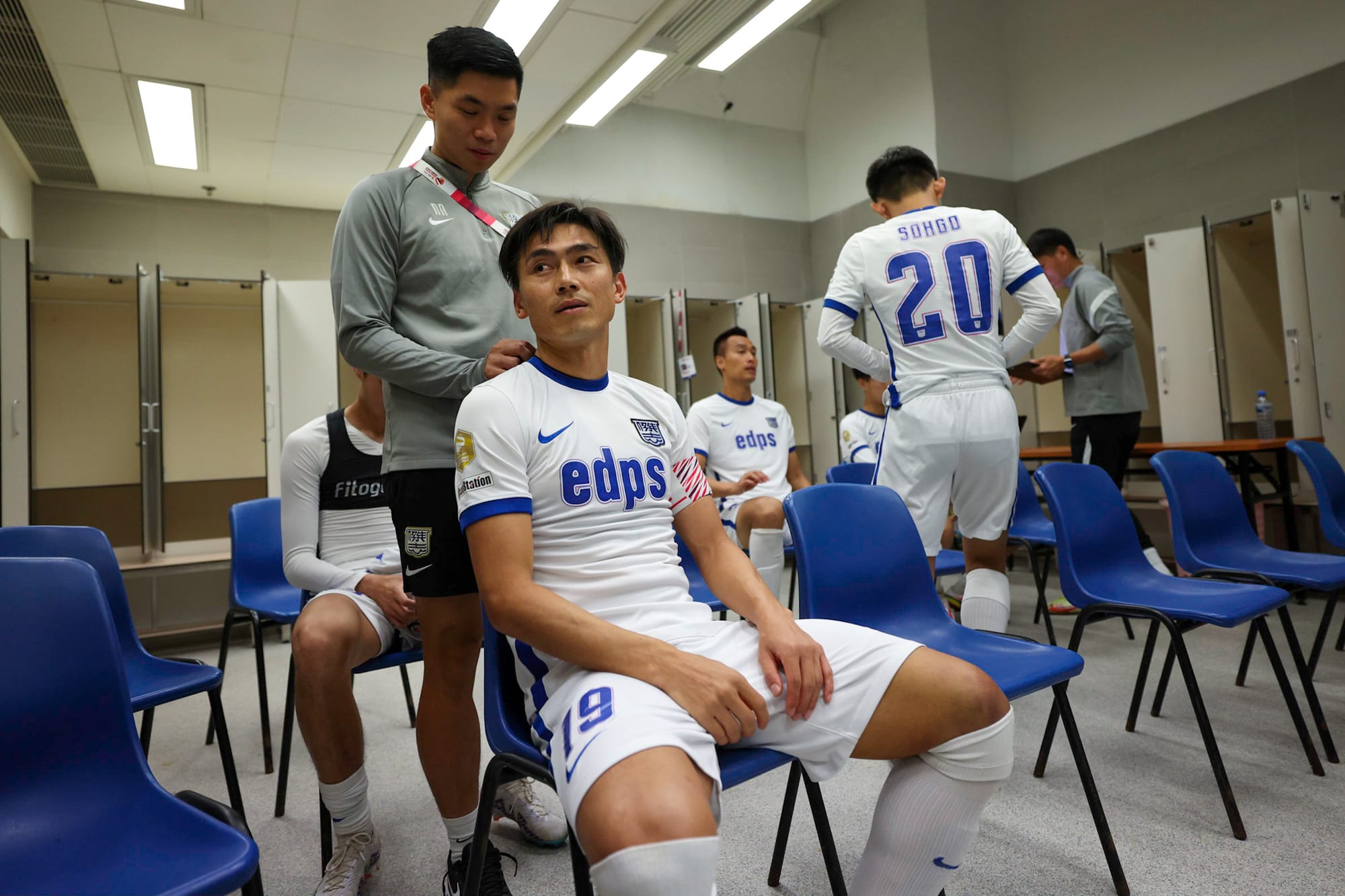
Ng's path is short on geography and long on titles. Five and a half years at Kitchee FC — the most decorated club in Hong Kong — through four Hong Kong Premier League championships (2019–20, 2020–21, 2022–23, 2024–25), three HK Senior Shields, two FA Cups, and an AFC Champions League Round of 16 appearance in the 2022 Buriram bubble. A move to Tai Po, a smaller club, in 2024. A Distinction-grade Master's in Sports Coaching from the Education University of Hong Kong. An AFC B Diploma in 2024, with an A planned in two years. An ISPAS Level 4 Performance Analyst credential, an EXOS Performance Specialist, an NSCA pathway in progress. Fluency across LongoMatch, Hudl, Spiideo, Metrica, Klipdraw, Wyscout, InStat, Catapult, Fitogether, VALD, and Microgate.
In a written exchange with Football Agent Lab, Ng describes none of this as remarkable. He calls it the nature of the industry that built me. He frames his Distinction-grade Master's not as achievement but as ongoing correction: the more you know, the more you realize you don't know. He says the most enjoyable part of his work is never the working hours, but the moment a well-organised session lands. He keeps coming back to one phrase, and it closes the conversation. Work hard in silence is my image.
Hong Kong Football Coach · Strength & Conditioning · Performance Analysis · Multi-role Practitioner
CURRENT ROLE (2024–present)
Tai Po FC (Hong Kong Premier League) · First Team S&C Coach / Assistant Coach / Performance Analyst / Academy Physical Performance Lead
PRIOR ROLE (2018–2023)
Kitchee FC (Hong Kong) · First Team Trainer & Performance Analyst / Youth S&C Coach · Five and a half years
EDUCATION
Master of Social Sciences in Sports Coaching, Distinction · Education University of Hong Kong (2023)
Bachelor of Social Sciences in Sports Coaching · Technological and Higher Education Institute of Hong Kong (2017)
QUALIFICATIONS
AFC B Diploma Coaching Course (2024) · NSCA Performance & Sports Scientist (in progress) · PFSA Level 2 Performance Analysis & Talent ID (2023) · ISPAS Level 4 Performance Analyst (2022) · EXOS Performance Specialist (2020) · Sports Medicine Australia Level 2 Sports Trainer (2019)
HONOURS (at Kitchee FC, 2018–23 unless noted)
Hong Kong Premier League: 2019–20, 2020–21, 2022–23, 2024–25 (Tai Po) · HK Senior Shield: 2018–19, 2022–23, 2025–26 (Tai Po) · HK FA Cup: 2018–19, 2022–23 · HK Sapling Cup: 2019–20 · AFC Champions League Round of 16: 2022
PART 1 · ROOTS
From Kitchee to Tai Po — you've walked alongside Hong Kong football for quite a long time now. When you look back at the journey, what comes to mind?
Time flies, but I still feel like I just started the journey. To be honest, my journey with Hong Kong football is still very short — because I believe I still have a long way to go. To summarise it, I would say there's a lot of ups and downs. The representative team and the clubs have achieved good results in regional competitions, but the performance is not consistent. Every stakeholder is still working hard to make Hong Kong football proud.
Not many people carry S&C, analysis, and coaching all at once. I'm curious how those three things naturally came together for you — how did that happen?
People carrying multi-duties in Hong Kong is common — I mean, in every industry. So it's no wonder people in Hong Kong football also work in multiple roles. The resources here are not as rich as in the top clubs or the developed leagues. It may seem unprofessional that practitioners do not specialise in a single area, but everyone is still trying to deliver as much as possible to the industry. I would say it is the nature of the industry that built me — and that it has helped me develop practical experience across different areas.
PART 2 · STUDY
You completed your master's with Distinction — the highest possible grade — while working full-time in a demanding environment. That's no small thing. Was there a moment during your studies where something clicked and you saw the pitch in a completely different light?
As Aristotle said: "The more you know, the more you realise you don't know." I would say every studying or learning opportunity brings me back to reality. We always enter a blind spot when we are suffering from chronic stress, or when we disregard contradicting evidence. But every opportunity to study brings me opinions or facts that wake me up.
The more you know, the more you realise you don't know.
You took your AFC B Licence in 2024, at a point where you already had a well-established career and a strong set of credentials. Something must have shifted inside you around that time — would you mind sharing what that was?
Obtaining a higher coaching licence is a must for a professional in the industry. I would have loved to obtain it earlier, but my workload did not allow me to. I'm planning to obtain the A Licence in the coming two years.
Looking at your qualifications one by one, there's clearly a direction you're moving toward. You're still in the middle of your NSCA course. What keeps you coming back to learning?
Being accredited by different organisations is essential for building reputation in the industry, so I want to be accredited. As I mentioned, I treasure every learning opportunity to help me stay away from the thinking blind spot. And I would say I love studying in the areas I am interested in — not only football or sports, but also things I'm interested in outside of work.
PART 3 · METHOD
In a single day you move between so many different roles. When do you feel most fully in your element?
The most enjoyable moments are never the working hours — I think every professional feels the same after long hours. But the moments I really get into my work are when I'm executing a session, or a game plan, with well-organised structure. When everything is organised, the players enjoy it.
Everyone talks about the importance of data, but how people actually relate to it varies a great deal. How would you describe your own relationship with data?
Everyone understands the importance of data in modern football — I don't need to add to that. Data provides very useful information for me to understand performance. But data cannot explain everything, and reading the game on the field is just as important. Raw and processed data give me a lot of fruitful information. The numbers can highlight areas where I need to pay extra attention when I review what happened on the pitch — they describe the trend of it. I would not say data is everything, because the variation in football is too large, and data is still not sufficient to describe all of it.
After working with a player for a long time, I imagine there are things you sense before the numbers tell you anything. How do you find the balance between that instinct and what the data is saying?
Definitely — with long-time cooperation, I can sense things before reading the data. Those feelings put me on alert and I'll review the data. When I spot something abnormal on the field, the reactions of the players tell me to review the wellness and physical performance data. Discussing with the medical staff is also important to find out the reason. As I said, data can describe the trend, but it cannot tell you everything.
Data can describe the trend, but it cannot tell you everything.
Deciding when to bring an injured player back onto the pitch — that must never be a simple moment. What's going through your mind when you're making that call?
There are benchmark data that provide guidelines for whether an injured player can return to play. The actual decision is made between the coaching staff, the medical staff, the performance staff, and the player himself. Sometimes the player has not hit all the benchmarks, but he is confident he can come back, and the coaches really want him to play. We still make the call.
PART 4 · ANALYSIS
You work across several video analysis tools. Having that many means you're looking at things in a very particular way — what's the first thing you look for when you watch footage?
When I'm doing opposition scouting, the first thing is the OFF and DEF system of the opposition — because the systems are always shifting between attack and defence in modern football.
When you're putting together an opposition report for the manager, how do you decide what stays in and what gets left out?
Honestly, I don't decide what goes in. Every manager has different preferences. Most of the time, the manager will emphasise specific moments of the opposition, and I cover more of those. Without leaving the original aim, the opposition reports usually include OFF and DEF style, set pieces, key players, and supporting stats.
I'd imagine that spending so much time with data changes the way you see players as individuals. How has analysis shaped the way you look at people on the pitch?
Being scientific about how we read football reduces bias effectively. Without data support, we read everything subjectively, and the reliability of that drops. Of course, experience improves reliability on what we see on the field — but the data provides reliable information. Why wouldn't we use it to be more objective?
PART 5 · TROPHIES AND COMMUNITY
Four league titles is something most coaches never experience even once. More than the trophy itself, I imagine there were moments along the way where the team truly became one. Is there a particular memory that stays with you?
I am very lucky to have achieved these results at my age. I'm grateful to everyone who has given me chances and guidance. Two moments stay with me. The first is the 2022–23 season at Kitchee. We drew that final-day match with a man down to clinch the league title — we conceded one goal after the team had a player sent off, and we had to draw to win the league. The team showed real teamwork and resilience to hold that game.
The second is the 2025–26 season at Tai Po. When we were playing the away game at Macarthur FC in Australia, our district in Hong Kong had a massive fire the day before. One of our training grounds is next to the area, and we were heartbroken for the victims. On match day, I could feel the team showing very strong unity, playing for the community. We didn't win the game — but everyone gave everything for the community.
We didn't win the game — but everyone gave everything for the community.
The AFC Champions League Round of 16 in 2022 — for a Hong Kong club, that's genuinely rare territory. What does that experience mean to you now, looking back?
It's a historical moment for both Kitchee and Hong Kong football. There were some little benefits — a team from the Chinese Super League withdrew from the group stage, so we had a slightly looser run of fixtures in the Buriram bubble. That experience was unforgettable. The team travelled to Thailand for a two-month training camp before kickoff, because all the sports premises in Hong Kong were closed due to the COVID pandemic. We had nowhere to train with football. We just relied on outdoor sessions to maintain fitness — we trained on the promenade and in the mountains.
When you think about the hardest stretch you've been through in your career, do you feel like it shaped you in ways that wouldn't have happened otherwise?
Definitely. I could not be the person I am today without the tough moments. Professional football is inconsistent — there is a lot of variation in every aspect, and it's difficult to predict. The best way to handle it is to be well-prepared. Every challenge I've faced has given me experience to adapt faster next time. I'm especially grateful for the away games in AFC tournaments. Those unexpected situations were tough to handle, but they were very good experiences.
PART 6 · YOUTH
Is there something that feels different inside you when you're working with young academy players compared to the first team?
It's totally different. Youth players are the babies in the industry — they need patience, and they need more guidance. Developing them into professionals is not only about what happens on the field. Paying attention to their behaviour off the field is just as important. Nurturing youth players is as difficult as raising a child.
When you're standing in front of the kids during a workshop, what's the thing you really want to leave with them?
I want them to absorb knowledge that helps them become better players, but it's difficult to expect young people to understand everything from a workshop. To be realistic, I hope the content inspires them, and they pay extra attention to those elements off the field. Hopefully, they develop some healthier routines and make them regular.
PART 7 · HONG KONG
Working within the context of Hong Kong football, have you ever felt something that this place has — a kind of potential that's unique to here?
People always say there's a lot of potential in Hong Kong football. Hong Kong was a pioneer in developing professional football in Asia. The popularity of football here is very high — citizens love to watch foreign leagues and the matches of our representative team. In the recent Asian Cup Qualifiers, our new home venue, Kai Tak Stadium, was a full house for the home games. The citizens showed real passion for the sport. But the attendance at the Hong Kong Premier League is disappointing. I believe that with the love of football from the citizens, professional football here can be raised again.
From where you stand, having spent so long on the ground here, what do you think needs to change for Hong Kong football to take the next step?
Hong Kong football has a lot to improve, but many of the factors are uncontrollable. We cannot change the culture, the environment, or the resources. My humble opinion to my colleagues in the industry is: respect your job. It is easy to enter the industry, and easy to find success in a small city. Behaving professionally and maintaining a positive attitude consistently are what will boost the development here.
PART 8 · IMAGE
Last question — and perhaps the most personal one. How would you like to be remembered?
Honestly, I never expected I would need to be remembered. I always avoid attention in public and keep a low profile — I'm quite scared of being in the spotlight or interacting with fans. I just do my job. I don't need to show anyone that I am working. But if I had to be remembered, I would hope it's as someone with impressive professionalism, someone devoted to the job. Work hard in silence is my image.
Work hard in silence is my image.
CLOSING
There is a peculiar pattern in the careers of Hong Kong football's most established practitioners, and Ng's career sits squarely inside it. The job specification fans out — strength and conditioning, video analysis, opposition scouting, gym programming, GPS interpretation, force-plate testing, return-to-play, academy education, assistant coaching — and one person stretches across all of it because the alternative, in a smaller league, is for none of it to be done. "It is the nature of the industry that built me," he says. The English is plain. The fact is not.
What is most striking about Ng's answers is the absence of any rhetoric of self-promotion. He has been part of four Hong Kong Premier League winners, won an FA Cup 7–1, played in an AFC Champions League Round of 16, and produced a Distinction-grade Master's in Sports Coaching while working full-time. He volunteers none of this as evidence of anything. He frames his learning as ongoing correction, his trophies as luck and gratitude, his philosophy of data as cautious — the trend, but not everything — and his memory of the most emotional match of his recent career, an away defeat in Australia the week his neighbourhood was on fire, in terms of what the players showed for the community rather than for the result.
He named his own image at the end of the conversation, and it does not need editorial improvement. Work hard in silence. He is thirty-one. He has the AFC A planned. His horizon is Hong Kong itself — the work, the next opposition, the next AFC tournament. Football Agent Lab will be watching, with a quiet hope that he continues to grow as one of Hong Kong football's finest local practitioners.
ABOUT THE AUTHOR
SEOK LIM Editor· Football Agent Lab
FIFA-licensed football agent and steel market analyst with over a decade of experience in commodity research. Football Agent Lab publishes interviews and market reports at the intersection of football, agency work, and global markets.


