You Are Only as Good as Your Decisions
From Montevideo to Riyadh, by way of Brighton, Sunderland, and a domestic double in Korea. Gus Poyet on positioning, decision-making, and what twenty years on the touchline have taught him.
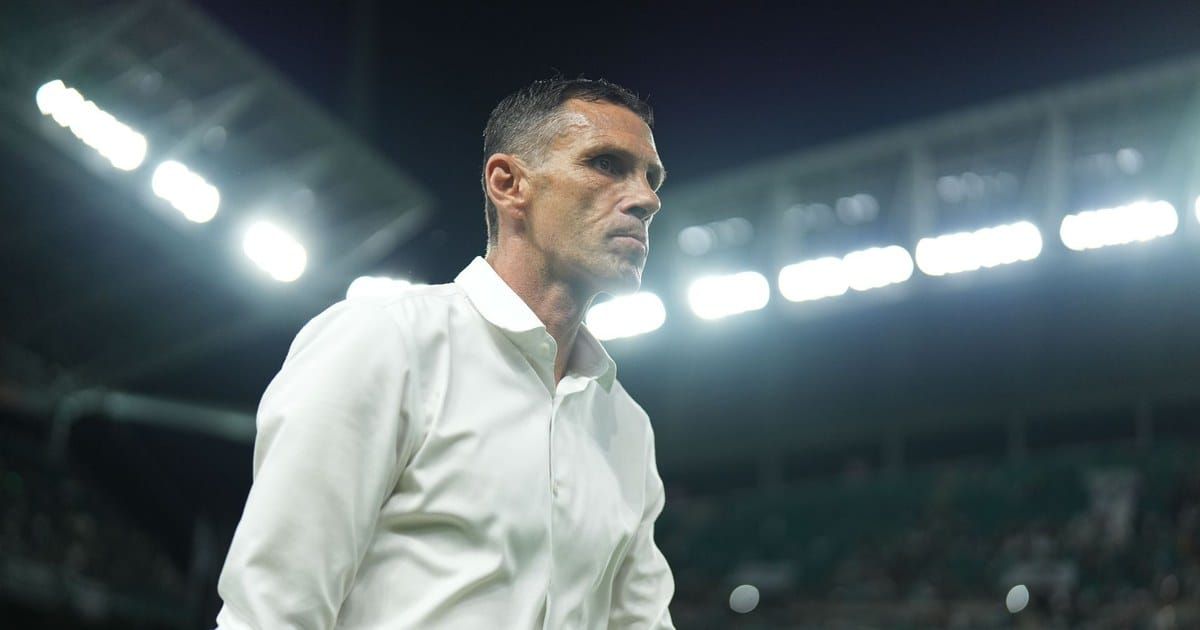
Gus Poyet has had eighteen homes since he was eighteen years old. Montevideo, Zaragoza, London, Brighton, Sunderland, Athens, Bordeaux, Shanghai, Jeonju, Sofia. The list keeps going. Yesterday it added Riyadh.
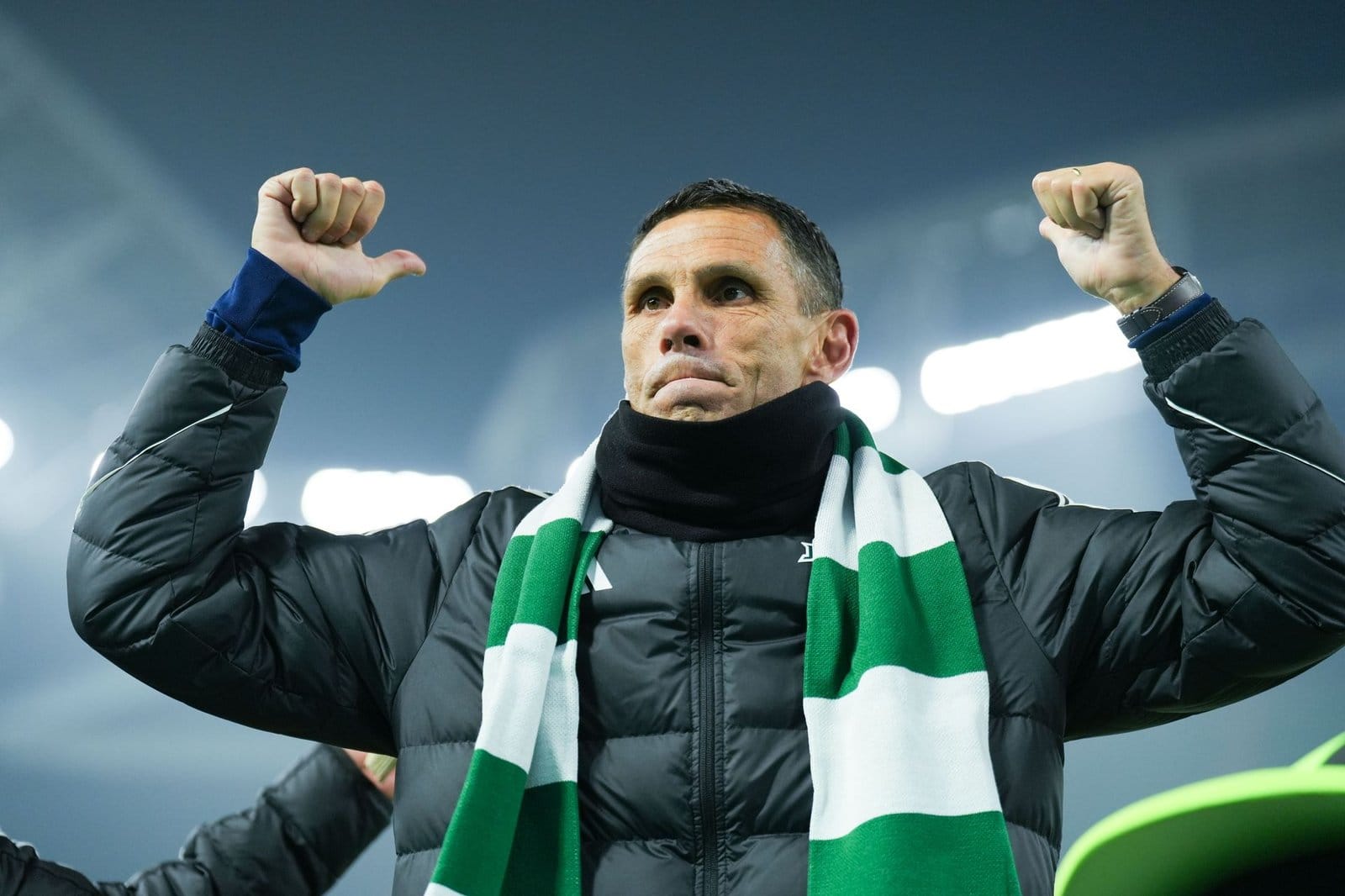
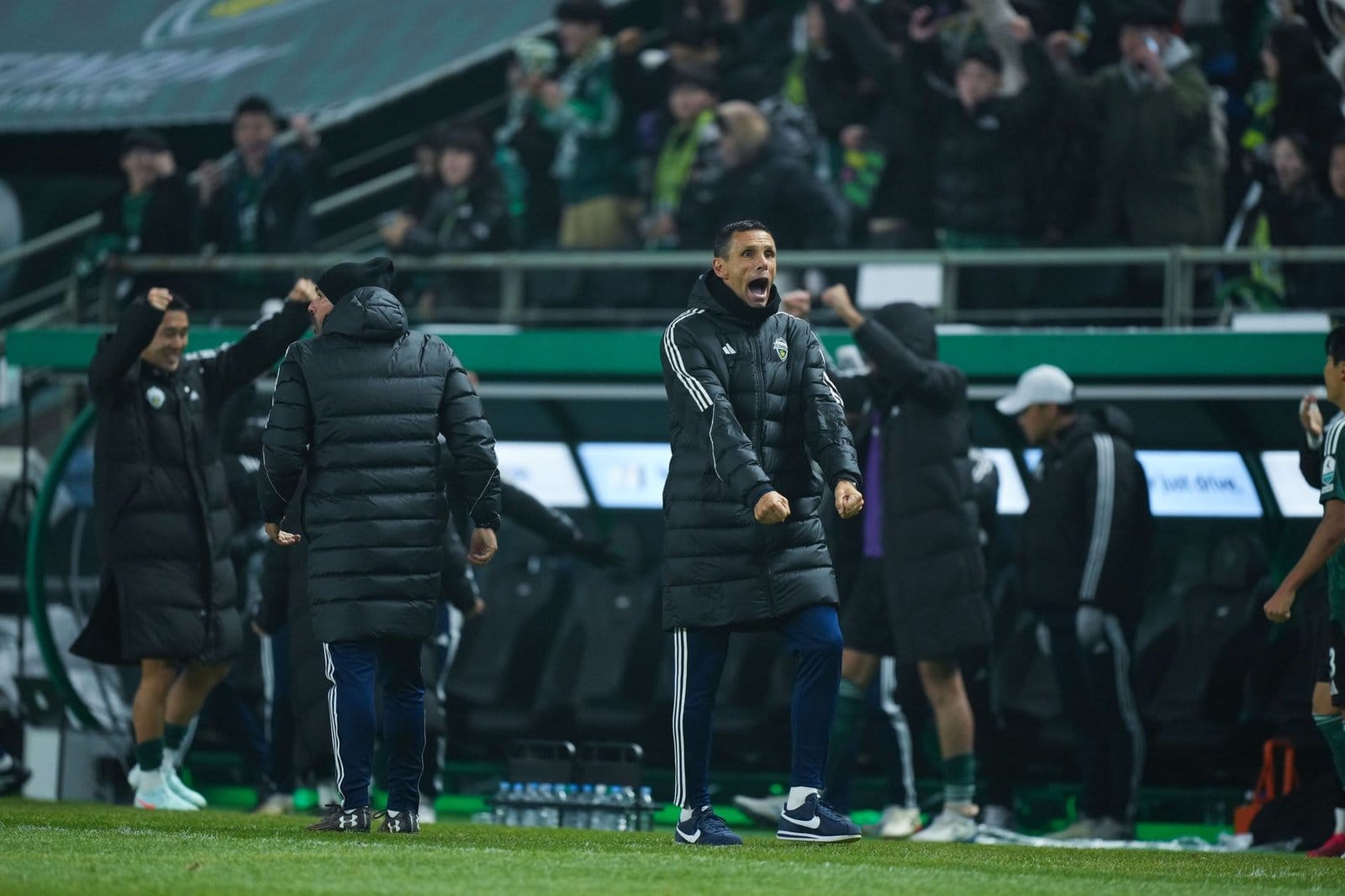
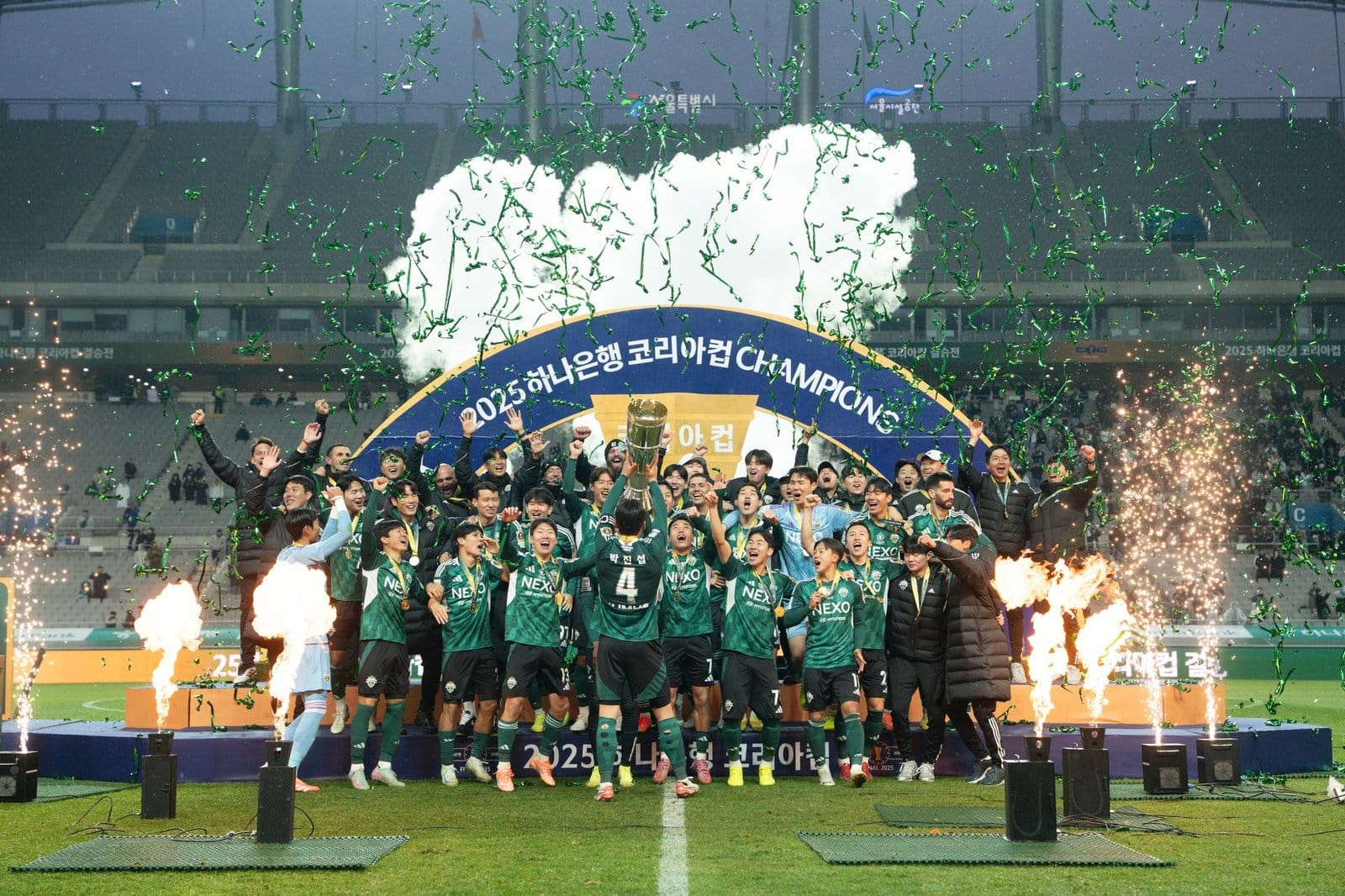
The Uruguayan was confirmed as the new head coach of Al Khaleej in the Saudi Pro League just days before this interview ran. The previous chapter — Jeonbuk Hyundai Motors, where he completed a domestic double in 2025, lifting both the K League 1 title and the FA Cup — closed with one of the most decorated single-season runs of his career. The conversation here was recorded earlier, in a quieter moment between those chapters.
In this conversation, Poyet talks about positional play and possession ("position takes us to possession"), why a manager is only as good as his decisions, and what twenty years on the touchline across Europe and Asia have taught him about the difference between coaching a Messi and coaching a young player who simply wants it more. He speaks plainly. He does not perform. And what comes through, repeatedly, is a man who knows what he believes — and has stopped trying to convince anyone of anything.
Head Coach · Al Khaleej (Saudi Pro League)
MANAGERIAL CAREER
2026 · Al Khaleej
2025 · Jeonbuk Hyundai Motors — K League 1 & FA Cup double
2022–24 · Greece — Nations League C, promoted
2021 · Universidad Católica — Supercopa de Chile
2018 · Bordeaux
2016–17 · Shanghai Shenhua
2016 · Real Betis
2015–16 · AEK Athens — derby treble
2013–15 · Sunderland — EFL Cup runners-up
2009–13 · Brighton — League One title, LMA Manager of the Year
PLAYING CAREER
Real Zaragoza · Chelsea · Tottenham Hotspur
Uruguay National Team (1993–2003)
▌PART 1 — INTRODUCTION
Q1. How would you define yourself and your football philosophy in your own words?
I'm honest, caring and approachable. My football philosophy is that the ball is the most important part of the game — but my team needs to understand the basics of the game first to then search for our identity.
▌PART 2 — TACTICAL PHILOSOPHY
Q2. Your trademark as a manager is an attacking, possession-based 4-3-3. Yet this system can produce radically different teams depending on the players available, the opponent, or the league. What are the non-negotiable conditions that make a 4-3-3 truly work? And what is the one element whose absence causes the system to break down?
Before the action even starts, we must respect 100% the positions. Position takes us to possession. There are many elements that can affect the functioning — it's difficult to say only one.
Position takes us to possession.
Q3. Positional play and transitions — two concepts that frequently come into tension in modern football. Which do you prioritize? Or do you have a way of integrating both into a single model of play?
You cannot separate them or just pick one ahead of the other. You must understand that there are different moments of the game. In one you are in possession; in the other — talking about attacking — you are defending and don't have the ball, ready to make an offensive transition.
Q4. What are your core principles when it comes to defensive organisation? You pursue teams with an attacking identity, but when the defence breaks down, how do you diagnose the problem and what do you do to fix it?
It depends on the players that you have and the time to train with them. Every aspect of our identity depends on players and time. Some parts are achievable quickly with certain players' quality. Others can take time.
Q5. Set pieces account for between 30 and 40 percent of goals in the modern game. How much weight do you give them in training? Do you treat them as an extension of your tactical system, or do you approach them as a separate block?
Set plays is the part of the game where I think I improved most in the last few years. You must follow the momentum of the game.
Q6. What are the ideal conditions for an effective high press? Do you believe any team can press with intensity, or does it ultimately come down to the profile of the players you have?
Players' characteristics allow you to press or not. If you don't plan depending on players' qualities, then you will fail. It's not the same to press with a very lazy striker as with one who has desire.
▌PART 3 — PLAYER MANAGEMENT & TEAM BUILDING
Q7. When you arrive at a new club, what do you observe most closely in the first few weeks to understand the culture and level of the squad? Is there something you address even before you touch the tactics?
The difference between being a player and being a coach is that as a coach you need to look for many things at the same time, and cover the whole team and aspects of the game. I don't think I can only focus on one thing first and then, depending on the outcome, start thinking about the next. It is a whole.
Q8. Between a talented player who doesn't respect team discipline and a modest player who is fully committed to the collective — which one do you give more opportunity to? Can you give an example of how you have applied that principle in your career?
It depends on how much the talented player makes you win games. Would you give more opportunities to Messi if he doesn't respect team discipline ahead of a young average player who is fully committed? Yes — because he wins games alone. But obviously you must try very hard to make him better on the discipline part. Then, like everything in life, there are limits that even Messi cannot pass.
Q9. Internal competition raises standards, but it can also damage group cohesion. How do you manage that tension? What role must the manager play to ensure that rivalry between teammates remains healthy rather than destructive?
Internal competition is a must. If you don't have internal competition, normally the team will accommodate and get flat in standards. You must put the conditions of training and competing for a place clear and easy for players to embrace.
Q10. How do you distribute the balance between tactical and physical work across a season? And when the fixture list tightens and games pile up, how does your approach to training sessions change?
Methodological plans are always ready and prepared between the coach and the fitness coach. There is an enormous quantity of data nowadays available to plan all of that.
▌PART 4 — CRISIS MANAGEMENT & DECISION-MAKING
Q11. When a manager makes the tactically correct decision and the result still goes against him, how do you evaluate that decision? Can you sustain the conviction that if the process is right, the results will eventually follow?
In my case, I analyse myself first after games, then analyse the team. You cannot make too many bad decisions in any aspect of the game — team selection, system of play, changes — because you are as good as your decisions.
You cannot make too many bad decisions. You are as good as your decisions.
Q12. The half-time dressing room — fifteen minutes where the manager has to be everything. How does your message change when you are losing 0-2 compared to when you are winning 2-0? What are you trying to achieve in each situation?
Simple, concise, and to the most important thing the team needs. You will never be able to correct everything that is not right. You will never be able to say things to every single player. So you must decide which aspect of the game is the most important to address to be able to win the game — and do it clear and concise. Every game is different. Every half-time team talk is different.
Q13. When the transfer window fails to deliver the player you wanted, or brings in one you did not ask for, how do you absorb that tactically? How do you adapt your system to a reality you did not choose?
When this happens, it becomes more difficult to achieve what you planned for. Time in football is key for coaches. So when the recruitment is not going the way the coach needs, most of the time everyone loses — and more importantly, normally nobody is happy. You must adapt and make decisions quickly to sort the problem as soon as possible.
▌PART 5 — MODERN FOOTBALL & ASIAN FOOTBALL
Q14. You have managed in China with Shanghai Shenhua and in Korea with Jeonbuk Hyundai Motors. In your experience, where do Asian players differ most from their European counterparts — tactical understanding, physicality, or something else entirely?
Asia doesn't mean one way. There are big differences between the Chinese player and the Korean — so I cannot put them in the same bag. You must adapt to their culture, respect their culture, and start using your intelligence to convince them that your way is the best way to win football matches. Both great experiences — especially personal, apart from the football side.
Asia doesn't mean one way. There are big differences between the Chinese player and the Korean.
Q15. Which European league would you compare the K League to in terms of level? And what does Korean football need most — tactically or structurally — to keep growing?
I don't think I can compare it to anyone — it's completely different in every aspect of the game.
To keep growing, in my opinion, they need to bring in more foreign players and more foreign managers — so everyone gains in different approaches and qualities.
Q16. Data and video analysis have become standard tools for the modern manager. How do you translate the information your analytical staff provides into actual tactical decisions on a day-to-day basis? And what do you do when the data contradicts your instinct?
Match analysis is very important — most clubs have one, two, or even three analysts. About the data, I use it the other way around: I mostly use it to confirm things, not to make decisions. Football is still football. Some random numbers don't change my opinion — except if they repeat themselves during a certain period of time.
I use data the other way around — to confirm things, not to make decisions. Football is still football.
Q17. In what way has the role of the manager changed most compared to what it was twenty years ago? What is, in your view, the single most important quality a manager needs today?
A manager needs to be a leader — to be able to convince players and to make them feel good and comfortable to play at their best. Everything changes, and managers are no different. You must adapt to the club, the culture, and most importantly, the players.
▌PART 6 — REFLECTION & VISION
Q18. Looking back across your career, which team best reflected your tactical idea of football? And which one left you with the most unfinished business?
Difficult to pick one. Every team gives you some satisfaction and, in certain moments, difficulties.
Q19. Which managers or schools of thought have influenced your understanding of the game the most? Is there a tactical model you still study or continue to learn from?
I cannot pick one manager. I learn a lot from them — including what NOT to do.
Q20. Finally, what is your vision and your ambition going forward? How would you like to be remembered as a manager?
I don't think about how I want to be remembered. The most important thing for me is that when I meet a player I managed, he reacts most of the time with a smile — as he quickly remembers the good times we spent together.
Poyet does not perform philosophy. He does not romanticise the role. What he offers, instead, is something rarer: clarity, earned across two thousand training sessions and three continents.
"I don't think about how I want to be remembered," he says, when asked about legacy. "The most important thing for me is that when I meet a player that I managed, he reacts most of the time with a smile."
A manager who has stopped chasing his own legend, and started measuring his work in something simpler — the look on a former player's face.
ABOUT THE AUTHOR
SEOK LIM Editor· Football Agent Lab
FIFA-licensed football agent and steel market analyst with over a decade of experience in commodity research. Football Agent Lab publishes interviews and market reports at the intersection of football, agency work, and global markets.


