ScoutDecision — Japan, Korea, and What Comes Next (Part 2 of 2)
In part two, ScoutDecision heads east. Business developer Miguel Gouveia tells Football Agent Lab how the Lisbon-based platform is finding its way into Japanese football — where scouting is often still run on spreadsheets — and why Korea and the wider region are next on its map.
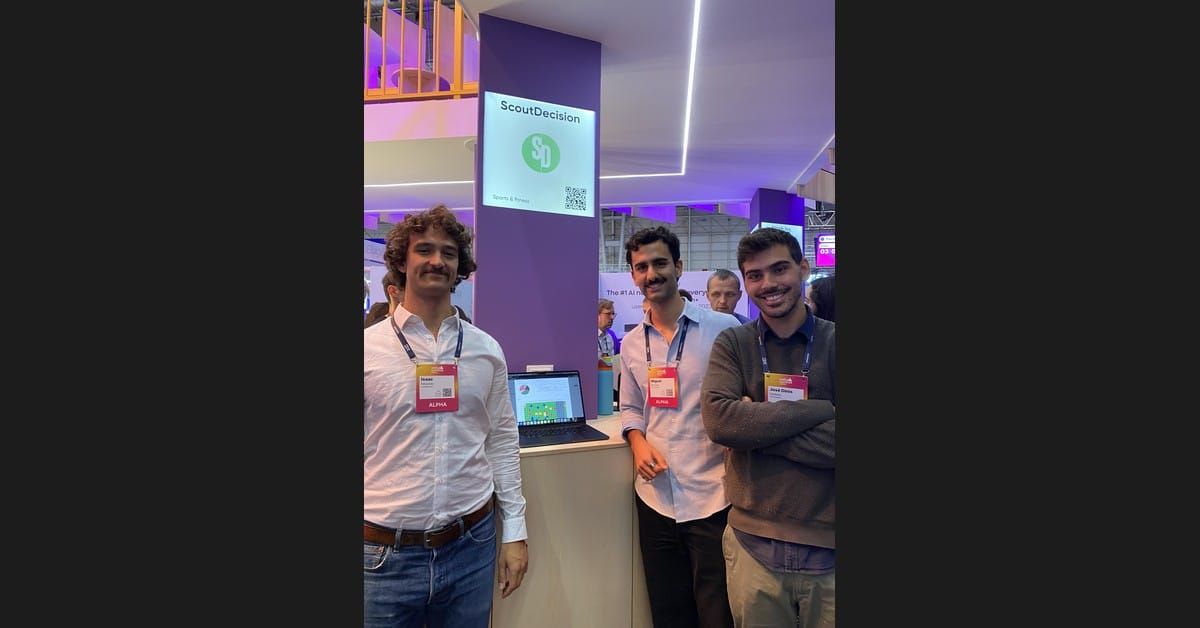
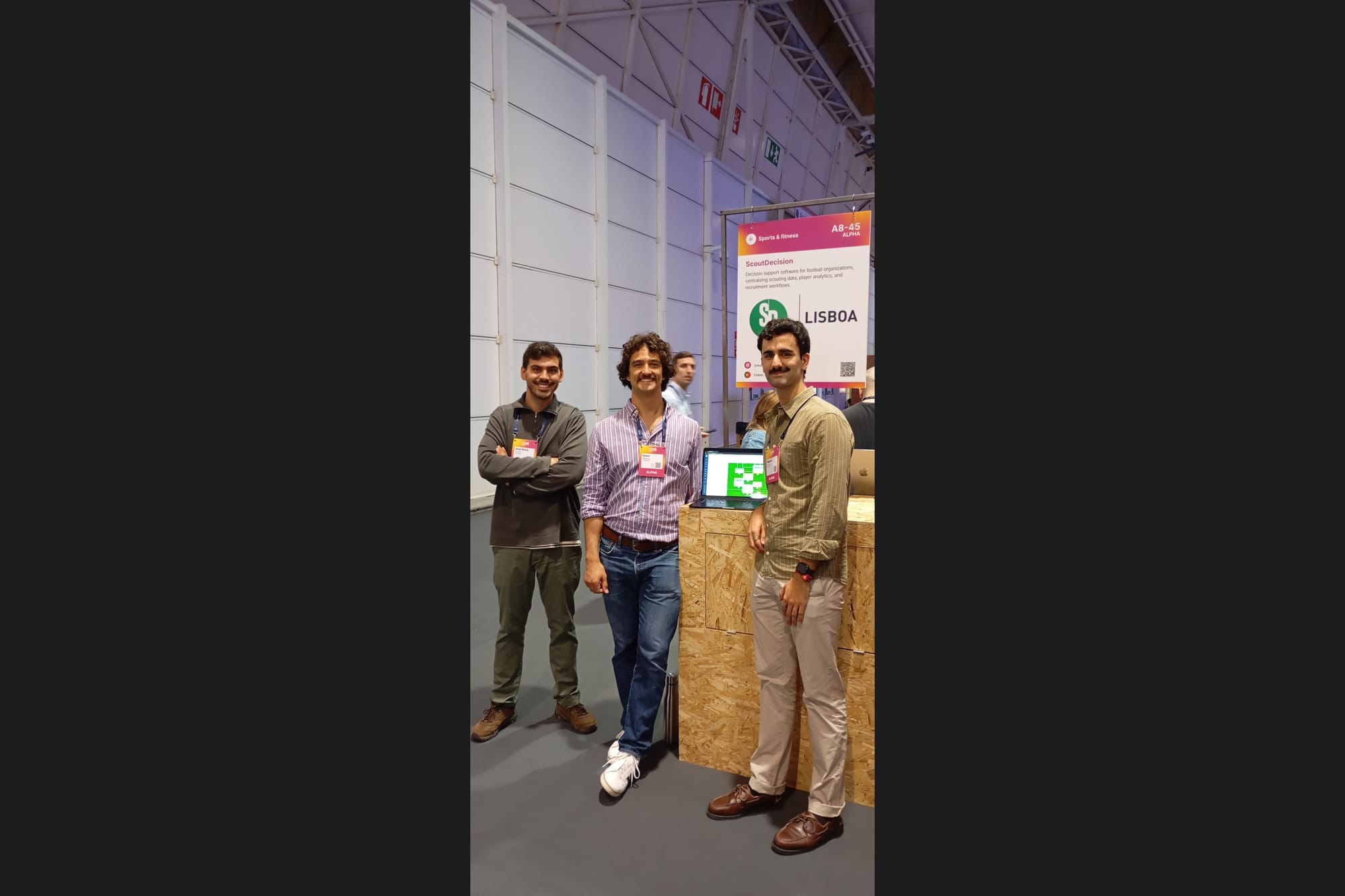
This is the second of a two-part conversation. Part one traced what ScoutDecision(https://www.scoutdecision.com/) is — a Lisbon-based football-operations platform, grown out of a university project — and the philosophy behind it. Part two follows it out of Europe. Guiding Football Agent Lab again is Miguel Gouveia, the company's business developer, and this time the subject is Asia: how a Portuguese team ended up looking seriously at Japan, and where it wants to go from there.
The Japan story, in his telling, began organically — conversations that opened up as the platform grew, and, crucially, a partner already embedded in the market, working directly with clubs and agents. What the team found there is the most interesting observation in the interview: for all of Japanese football's reputation for organisation, much of its scouting is still run the old way, on spreadsheets, scattered files and personal notes. Miguel says discussions around scouting projects have already touched clubs across J1, J2 and J3 — his account, offered here as the company's own — and frames the opportunity less as disruption than as tidying up work that is already happening.
From Japan, the map widens. Miguel is measured about the pace — "we're not trying to rush anything" — but explicit about the destinations. Korea, with the K-League and a fast-growing agent market, is "definitely a market we're watching closely"; Southeast Asia is developing quickly; and the partner he says he wants anywhere in the region is someone genuinely inside the ecosystem, not a spectator. It is, for readers of this publication, the most directly relevant note the two-part conversation strikes — and the one it ends on.
Football-operations platform · scouting · recruitment · player management · transfer community
WHAT IT IS
An integrated software environment that aims to connect scouting, recruitment, coaching, medical and administrative work in one place — plus "Connect," a club-and-agent marketplace, and WhatsApp communities linking clubs, agencies and professionals.
ORIGINS & MILESTONES (per ScoutDecision)
2021 — began as a university Decision Support Systems project
2022 — first platform release, focused on scouting
2023 — expanded to full club operations, then to agency workflows
End of 2024 — launched Connect and Club Requests
2026 — first in-person Football Matchmaking event
REACH (per ScoutDecision)
180+ active subscribers · data imports from Excel and Wyscout · transfers reported through Connect and the marketplace
STATED PHILOSOPHY
"Listen to the field first, and build technology from genuine need." · Save time, improve decision-making · Go beyond information management to connect people
THIS ARTICLE
Part 2 of 2 — the Asia story (Japan, Korea, and the wider region). Part 1 covered the platform, its philosophy, and the community around it.
PART 1 · FINDING JAPAN
Miguel, it's not every day that a team based in Portugal starts looking seriously at Japan. How did that happen? Who reached out first?
It happened quite organically. As ScoutDecision grew and we started connecting with professionals from different markets, conversations with people inside Japanese football began to open up naturally.
What drew us in from the start was the professionalism of the market and the long-term potential we saw there. Japan has a serious football culture, strong development structures, and an ecosystem that's becoming increasingly connected internationally.
At the same time, we met a partner who knows the market deeply — someone who works directly with clubs and agents and is already active in scouting consultancy. The conversations just developed from there.
We're still in the early stages in Japan, but it's a market we're genuinely enjoying getting to know.
When you first met your Japanese partner, what was that conversation like? What did you each see in the other that made you think this could work?
It was a very practical conversation from the start.
Our partner already understood the day-to-day reality of clubs and agencies in Japan — particularly around scouting and recruitment — and could immediately see where ScoutDecision could help organize information and workflows more efficiently.
From our side, we saw someone who was genuinely embedded in the market. Not just someone who understood football technically, but someone with real relationships with clubs, agents, and players on the ground.
What made it click, I think, was that both sides saw this as a long-term thing. Not simply selling software, but actually building something useful together — better structures, better workflows, better ways of working.
Walking into a market with a different language, a different culture, a completely different way of doing things — that couldn't have been simple. What was going through your mind when you first started?
Honestly, mostly curiosity and respect.
We never went into Japan thinking we already understood it. Quite the opposite — we knew from the start that it would take patience, a lot of listening, and a genuine willingness to adapt.
We're still learning a great deal. Every conversation — with clubs, scouts, agents, coaches — gives us a better picture of how things actually work there and where ScoutDecision can genuinely add something.
So the mindset has always been about building relationships gradually and learning as we go, rather than trying to move too fast.
PART 2 · MORE MANUAL THAN IT LOOKS
Having seen the Japanese football world up close, what was the biggest difference from Europe? Was there anything that genuinely surprised you?
One thing that did surprise us is that, despite the professionalism and organization that Japanese football is known for, many scouting structures are still quite traditional.
In some clubs — particularly outside the very top level — there are still only a handful of scouts working with very manual processes. Spreadsheets, scattered files, personal notes, disconnected communication.
So there's still a real opening for better organization and more centralized workflows.
What also stood out, in a very positive way, is how seriously people take their work. There's a strong attention to detail and a genuine willingness to improve when people see clear value in doing so.
Many scouting structures are still quite traditional.
How were J-League clubs actually managing their scouting and player development before ScoutDecision came along? Is data culture already established there, or is there still a long way to go?
It really depends on the club — the level, the structure, the resources available.
Some clubs already have more developed processes and access to data tools, especially at the higher levels. But broadly speaking, many workflows are still managed in a very traditional way.
That's part of why we believe there's space for ScoutDecision — not because clubs are doing things badly, but because there's still room to centralize information and make workflows more efficient.
Part of what we're doing is also educational: helping people see how structured databases, cleaner reporting, and shared workflows can improve communication and decision-making over time.
When Japanese agents or scouts see ScoutDecision for the first time, how do they respond? Is there a different feeling in the room compared to when you show it to someone in Europe?
The reaction tends to be very considered and analytical.
People want to understand carefully how the platform fits into what they're already doing and whether it genuinely makes their work better. There's less of an immediate gut reaction — it's more about practicality and whether it holds up consistently.
But once people really understand what the platform is trying to do, the conversations get very interesting. They start connecting it to real problems they're dealing with every day, and that's when things open up.
PART 3 · ON THE GROUND
Your Japanese partner has close relationships with clubs, agencies, and players. How does ScoutDecision actually fit into that network day to day?
Our partner already works closely with clubs and agents through scouting consultancy, so ScoutDecision becomes part of that daily process quite naturally.
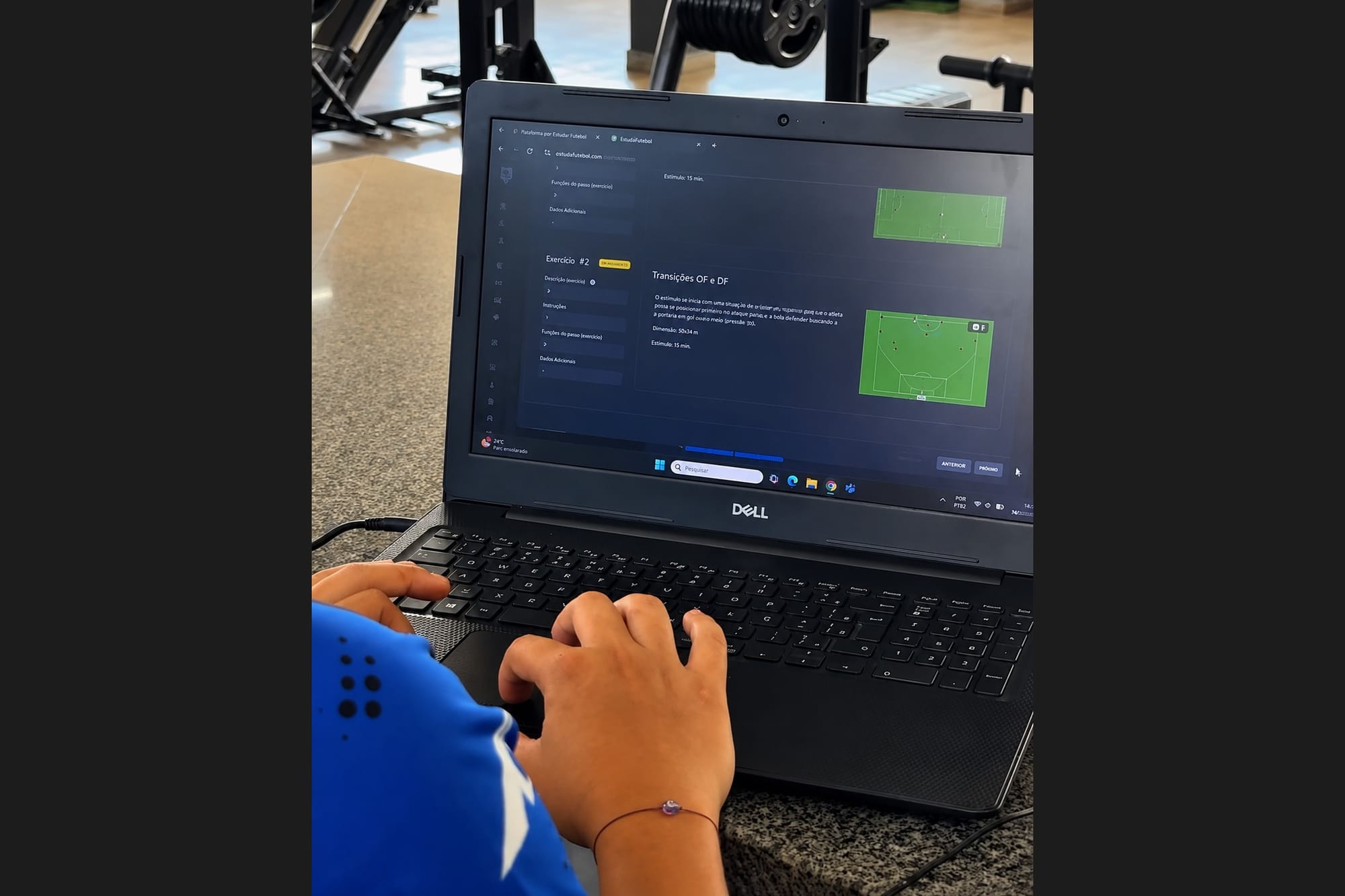
The platform helps organize player information, reports, profiles, and scouting workflows in a more structured and centralized way.
Rather than replacing the relationships, it supports the operational side of them. It takes the information and conversations that are already happening and gives them somewhere to live — somewhere easier to manage, follow, and build on over time.
Rather than replacing the relationships, it supports the operational side of them.
What features do Japanese clients reach for the most? Have you noticed any patterns in how they use the platform that you didn't expect?
Right now, the strongest interest is around scouting databases, player reports, and the overall organization of recruitment information.
That makes sense — many professionals are still working with spreadsheets or disconnected systems, so having everything in one place already makes a meaningful difference.
One thing that really stood out to us is how much clarity and simplicity matter. Even small improvements to workflow or cleaner organization can have a surprisingly strong impact on how useful the platform feels day to day.
Every market has its surprises. Was there a moment in Japan where you thought "I really didn't see that coming"?
I think what surprised us most was realizing how traditional some structures still are — more than we'd expected going in.
From the outside, people sometimes assume that every corner of Japanese football is already highly digitalized and fully structured. But in reality, there are still plenty of clubs and professionals managing scouting work in very manual ways.
That actually reinforced our sense that there's meaningful space for platforms like ScoutDecision to contribute something real.
And on the other side — was there something that worked far better than you expected? A moment that caught you off guard in a good way?
The openness to conversation and collaboration.
Once people understand that we're approaching the market with genuine respect and that we're actually interested in understanding their reality, the conversations become very positive very quickly.
We've already had discussions around scouting projects with clubs across J1, J2, and J3, and that's been really encouraging for us at this stage.
PART 4 · WHAT JAPAN TAUGHT THE PRODUCT
Japan is a culture that embraces data and technology, but also places enormous value on trust and personal relationships. How has ScoutDecision been navigating both of those things at the same time?
For us, those two things were never in conflict.
The platform brings structure and organization, but football still moves through relationships and trust. And in a market like Japan, that's especially true.
That's why we believe the best path forward is combining both — technology that genuinely improves workflows, alongside strong partnerships and long-term relationships built inside the market.
Has working in Japan actually changed ScoutDecision in any way? Has anything you've learned there found its way back into the product?
Yes, definitely.
It's reinforced how important clarity, organization, and simplicity really are. Sometimes the biggest wins aren't big new features — they're just making information easier to find, easier to see, easier to act on.
That's something we're continuously working on: improving dashboards, workflows, and visualization so that users can make decisions more quickly and with more confidence.
PART 5 · AS THE MARKET GOES GLOBAL
J-League clubs have been performing strongly in the AFC Champions League, and Japanese players are making their way to Europe more consistently than ever. Where do you think ScoutDecision can make its biggest contribution within that momentum?
I think the biggest contribution is helping clubs and agents manage information and connections more efficiently as the market becomes more international.
As more Japanese players move abroad and clubs become increasingly connected globally, the need for structured scouting and centralized information only grows.
ScoutDecision can be the place where those processes live — making collaboration cleaner and decision-making faster.
ScoutDecision can be the place where those processes live — making collaboration cleaner and decision-making faster.
Language support and localisation — we can't really avoid that conversation. Where are you with that right now? Has the language barrier actually been a real obstacle on the ground?
Language is obviously important, and localisation is something we keep working on as we grow internationally.
But honestly, the bigger challenge is usually understanding workflows and football culture — that matters more than translation in most conversations.
When the platform genuinely solves real operational problems, things move forward regardless of language.
PART 6 · KOREA, AND THE WIDER REGION
Japan feels like a foothold into something bigger. What's the wider picture for Asia? Where does ScoutDecision go next?
Right now, the focus is still on learning, building relationships, and getting properly established in Japan.
But naturally, Asia is a very interesting region — football is growing fast across many markets and becoming more professionalized all the time.
We're not trying to rush anything. The goal is to grow through the right partnerships and the right opportunities, step by step.
How do you see the Korean market? The K-League is one of the more competitive leagues in Asia, and the agent market there is growing quickly. Is Korea on your radar?
Absolutely.
Korea is a genuinely exciting football market — strong clubs, a competitive environment, and an active transfer ecosystem.
We're still in the early stages across Asia overall, but Korea is definitely a market we're watching closely and would be very interested in exploring through the right partnerships.
Korea is a genuinely exciting football market — strong clubs, a competitive environment, and an active transfer ecosystem.
Southeast Asia is a different story altogether — Indonesia, Thailand, Vietnam, these are markets moving fast. Do you see openings for ScoutDecision there?
Yes, I think there's real potential there as football structures continue to develop.
As clubs and agencies become more professionalized, the need for organization, centralized information, and cleaner workflows grows naturally alongside that.
But these are markets where understanding local realities and having the right local connections matters enormously. You can't parachute in — you have to build properly.
What kind of partner would ScoutDecision want in Asia? If someone reached out tomorrow, what would make you genuinely excited to have that conversation?
Someone who's genuinely inside the ecosystem — not just someone who follows football, but someone who works directly with clubs, agents, coaches, or players and understands the real operational challenges on the ground.
That's what makes a partnership valuable: local understanding combined with long-term thinking. Those two things together are what we're looking for.
PART 7 · BUILT FOR ASIA
Five years from now, what would you want ScoutDecision to look like across Asia? If you came back and read this conversation in 2030, what would you hope had come true?
I'd hope that ScoutDecision has become a trusted platform in several Asian markets and that we've built real, lasting relationships across the region.
Not by growing at any cost, but by growing in a way that's sustainable and meaningful — real partnerships, real users, and real contribution to how football organizations do their work.
Real partnerships, real users, and real contribution to how football organizations do their work.
Last question — for anyone working in football across Asia who hasn't heard of ScoutDecision yet, what would you want to say to them?
I'd say:
"If your scouting, recruitment, or football operations still feel too scattered — spread across spreadsheets, messages, and disconnected systems — ScoutDecision can help bring more structure and clarity to all of that.
And beyond the platform itself, we're building connections, creating opportunities, and forming relationships across the football industry. Step by step, together with the people who are already inside these markets."
CLOSING
If part one was about what ScoutDecision is, part two is about how it travels — and the answer Miguel Gouveia keeps returning to is: slowly, and with a local guide. The Japan chapter reads less like an expansion than an apprenticeship: a partner already embedded in the market, a lot of listening, and the discovery that even Japanese football, for all its reputation, still runs much of its scouting by hand. The opportunity he describes is unglamorous and, for that reason, credible — not to disrupt the game but to tidy the desk it works from.
What gives the second half its edge for readers here is where it points. Miguel is careful not to overpromise — "you can't parachute in; you have to build properly" — but he is unambiguous that Korea is on the map: the K-League, the growing agent market, a place ScoutDecision is "watching closely and would be very interested in exploring through the right partnerships." The partner he says he wants, anywhere in Asia, is someone already inside the ecosystem. Whether those conversations happen, and with whom, is beyond the scope of an interview. What this two-part exchange establishes is that the door is open, and that the map now runs east. Football Agent Lab will keep watching the route.
ABOUT THE AUTHOR
SEOK LIM Editor · Football Agent Lab
FIFA-licensed football agent and steel market analyst with over a decade of experience in commodity research. Football Agent Lab publishes interviews and market reports at the intersection of football, agency work, and global markets.


