Stop Chasing Data. Start Delivering Insight.
An Egyptian football performance analyst working in the UAE Pro League, who arrived at the profession through chemistry, geology, and a regional environmental safety career. Sameh Abdelghany on what football analysts actually do — and why translation, not data volume, is the discipline.
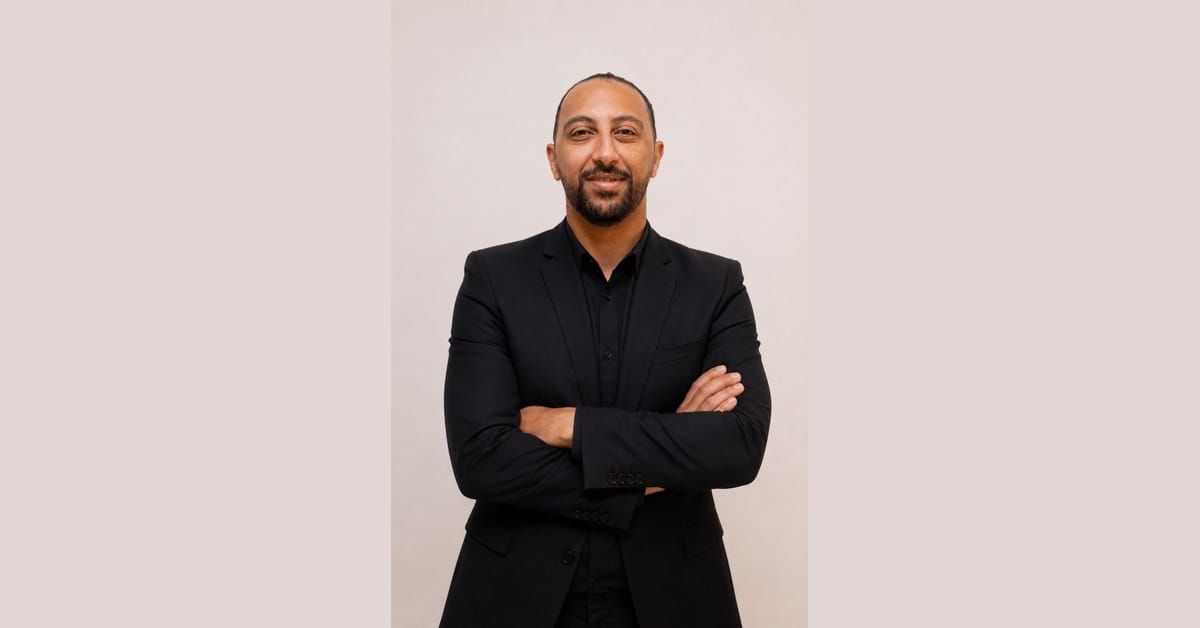
Sameh Abdelghany is one of the few people in football performance analysis whose first career was in regional environmental health and safety operations management — for Veolia Water Tech in Dubai — and who came to the profession through chemistry, geology, and a global pandemic. From around the age of fifteen he watched UEFA Champions League and African Champions League matches with a notebook beside him, writing down his own observations on what he was seeing. In 2020, with the world on pause, he made the decision to commit to performance analysis as a full-time profession. By 2025–26 he had risen to Head of Performance Analysis and Scouting at Gulf United FC in the UAE, where his work contributed to a 15% team performance improvement and a climb from 12th to 10th in the league table. He writes to Football Agent Lab from between roles — that chapter recently behind him — and continues to deliver remote opposition analysis work, most recently for the Zimbabwe national team's AFCON 2025 campaign.
The certifications are dense and recent. PFSA Performance Analysis Levels 1 and 2. PFSA Opposition Analysis Levels 1 and 2. PFSA Data Analysis Levels 1 and 2. PFSA Technical Scouting Levels 1 and 2. AFCAS Recruitment & Player Scouting Levels 1 through 6. The Barça Innovation Hub Advanced Football Tactical Analysis certificate. The FA International Foundation Coaching Course. Hudl Sportscode Level 2 and Wyscout certification. A Football Analytics in Python course. He is currently completing a Master's in Performance Analysis. The toolkit is wide — Nacsport, Wyscout, Metrica Sport, LiveTagPro, Hudl Sportscode, Klipdraw, Once Sports, Python, Excel — and he is not precious about which one he reaches for. "When choosing any tool," he writes, "I focus on what best fits my current needs."
In a written exchange with Football Agent Lab, Abdelghany compresses what is essentially a complete operating philosophy into clean, short paragraphs. He frames analysis as a consultancy function rather than a decision-making one. He defines the great failure of the profession as letting report polish substitute for actionable translation. He names the most overrated thing in football analysis today — the report itself — and the most underrated — translation. And he writes a sentence in PART 5 that, in twenty answers, lands with the weight of a thesis statement. Analysis is not about producing more information; it is about producing the right information, in the right way, for the right person, at the right time.
Egyptian Football Performance Analyst & Scout · Data-Driven Tactical Analysis · Opposition Analysis · Player Development
MOST RECENT ROLE (2025–26)
Gulf United FC (UAE) · Head of Performance Analysis & Scouting
PRIOR ROLES
Gulf United FC · First Team Analyst & Scout (2024–25) · Freelance Football Performance Analyst & Scout (2023–present)
PREVIOUS CAREER
Veolia Water Tech Dubai · EHS Regional Manager
CERTIFICATIONS (selected)
Barça Innovation Hub · Advanced Football Tactical Analysis · PFSA Performance Analysis L1+L2 · PFSA Opposition Analysis L1+L2 · PFSA Data Analysis L1+L2 · PFSA Technical Scouting L1+L2 · AFCAS Recruitment & Player Scouting L1–L6 · AFCAS Football Fundamentals & Talent ID L1–L3 · APFA Individual Player Development & Analysis · FA International Foundation Coaching · Hudl Sportscode L2 · Wyscout Certification · Football Analytics in Python
TOOLKIT
Nacsport · Wyscout · Metrica Sport · LiveTagPro · Hudl Sportscode · Klipdraw · Once Sports · Python · Excel · Filmora
PROFESSIONAL AFFILIATIONS
PFSA Certified Member · CMIOSH Chartered Member (Institute of Occupational Safety & Health)
REPRESENTATIVE CONTRIBUTION
Gulf United FC league table climb from 12th to 10th; 15% performance improvement; 20+ tactical reports per season; 5+ high-potential players identified and recommended
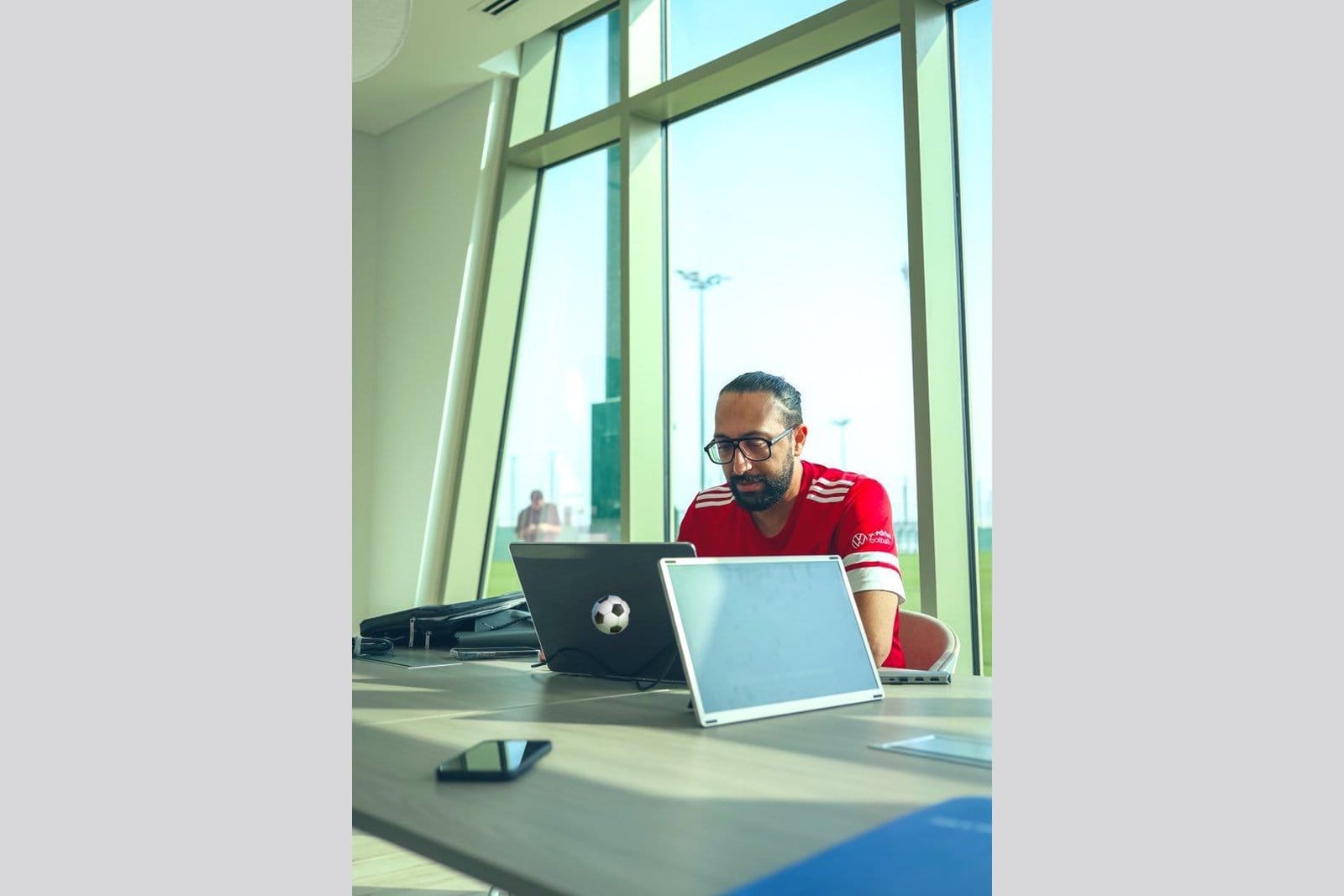
PART 1 · INTRODUCTION & BACKGROUND
Let's start with an introduction. Your journey is anything but ordinary — a background in chemistry and geology, a career in environmental health and safety management, and now a football performance analyst. What was the turning point that led you into the world of football analysis?
I've been passionate about football since I was eight years old. I still remember watching Egypt's matches in the 1990 World Cup with my father, especially the game against the Netherlands. I also played football in Egypt, though not at a professional level; from around the age of fifteen, I became increasingly interested in breaking down games. I would watch UEFA Champions League and African Champions League matches and analyze them in my own notes — simple observations at first, but that's where my passion for analysis really started.
The real turning point came during the global pandemic, when I made the decision to pursue performance analysis as a full-time career. From that moment, I committed to developing myself both professionally and academically in the field.
A chemist breaks down the structure of matter, and a geologist reads the flow of layers beneath the surface. How has that kind of scientific training shaped the way you see football? In practical terms, how does an analytical, science-based mindset actually work in tactical analysis?
Both are closely related. My background in science has played a key role in how I analyze and understand the game, providing a structured, scientific approach to performance analysis. While every analyst develops their own methodology, studying science has made it easier for me to interpret information objectively. I often refer to football-related research and academic studies to understand what has been scientifically established, and then connect those findings to practical application on the pitch.
For example, studies comparing formations like 4-4-2 and 3-5-2 in terms of players' physical demands provide valuable insights. When I relate this to the team I'm working with, it helps guide decision-making if there is a tactical shift to a system like 3-5-2. In short, my approach always starts with scientific understanding and then translates that into practical, football-specific implementation.
During your time at Veolia as a regional EHS manager, you developed a strong sense of risk management and systems thinking. Do you see those habits reflected in how you work as an analyst today? And what unexpected common ground have you found between the two professions?
Risk management is a key part of game management. As an analyst, my role is to highlight the potential risks behind tactical decisions and support the coaching staff in understanding the possible outcomes. For example, if a team chooses a possession-based approach against an opponent with an aggressive high press, I would identify the risks involved and suggest ways to mitigate them.
An interesting area of common ground between the two professions is that, firstly, I operate more as a consultant than a decision-maker. Secondly, while I work within a team environment, I also deal with individuals who each have their own perspectives and approaches, which requires adaptability in how I communicate and deliver insights.
PART 2 · ANALYTICAL PHILOSOPHY & METHODOLOGY
Your toolkit is notably wide — Nacsport, Wyscout, Metrica Sport, LiveTagPro, Python. How do you decide which tool to use for what purpose? And beyond the tools, what is it that only a human analyst can bring to the table — something no software can replace?
I also integrate tools like Hudl Sportscode into my workflow. When choosing any tool, I focus on what best fits my current needs — considering factors such as price, specifications, and overall usability.
These tools are designed to make human intervention more efficient, not to replace it. In the past, match tagging and annotation were done manually, which was extremely time-consuming. Today, software like Sportscode enhances the process by improving speed, accuracy, and the depth of analysis through better visualization and organization of data. For example, during live tagging, I can quickly generate and share short clips with the coaching staff in real time, providing immediate, actionable insights that support in-game decision-making.
You have built an integrated database combining video and statistical data. When the two tell different stories — strong numbers but poor footage, or the other way around — which do you trust more, and why?
Statistical data and video are both essential, but relying on one in isolation can be misleading. For example, a midfielder might show 100% passing accuracy per 90 minutes, which looks perfect on paper. However, when you combine this with video, you may find that most of those passes are simply back passes to the goalkeeper or center-backs, especially against a low block. That's why I always believe the real value comes from combining both — using data to highlight patterns and video to provide the context behind them.
The real value comes from combining both — using data to highlight patterns and video to provide the context behind them.
You handle drone filming and video editing yourself. Does an analyst taking control of the camera — deciding the angle, the frame, the moment — actually make a difference to the quality of the analysis? If so, how?
Yes, the analyst should determine the camera settings, angle, and position when using a standard handheld camera. However, with the emergence of AI-powered tactical cameras, the role shifts more towards identifying the optimal placement of the device rather than manually controlling it. In many elite clubs and leagues, fixed tactical cameras are already installed in stadiums, providing a consistent, comprehensive view of the pitch.
Ultimately, the key is ensuring the right perspective — one that captures the full pitch and allows the analyst to observe all aspects of the game, including off-ball movements, opposition structure in and out of possession, and overall game dynamics.
How different is the analytical environment in UAE and Middle Eastern football compared to Europe? Have you ever reached a point where European methodologies simply could not be applied as they were? If so, how did you adapt them to fit the local context?
The UAE and the wider Middle East are emerging regions in performance analysis. While analysis is now a key component of professional coaching staffs, many clubs still lack the structure and long-term vision needed to build and sustain a dedicated performance analysis department.
For example, Al Ahly SC in Egypt — one of the most successful clubs in Africa — does not operate with a fully independent analysis department. Instead, analysts are often brought in by the head coach, which can lead to a lack of continuity, long-term vision, and proper data retention within the club.
In contrast, in the UAE First and Second Division leagues, I've started to see positive progress, with more clubs hiring dedicated analysts for their first teams. I believe this is a strong step forward and a trend that will continue to grow in the coming years.
PART 3 · OPPOSITION ANALYSIS, SCOUTING & RESULTS
When you begin analysing an opponent, where do you look first? Between pressing triggers, transition patterns, and set pieces, which do you believe has the greatest impact on the outcome of a match — and what is the reasoning behind that conviction?
When I begin analysing an opponent, I always start by identifying patterns — trying to understand the why, how, when, and where behind their actions. I look at these patterns across all phases of the game: in possession, out of possession, transitions, as well as set pieces, while also linking them to key players who influence those behaviors.
In terms of impact, I believe transitions have the greatest influence on a match's outcome. The reasoning is that transitions are the most chaotic and least structured moments in the game, where teams are most vulnerable. A team that is well-organized and efficient in attacking and defensive transitions can exploit opponents before they are set, or prevent danger before it develops. While pressing triggers and set pieces are important and more controlled, transitions often decide key moments — goals, chances, and momentum shifts — which ultimately define the result of the game.
What qualities do you prioritise most when scouting a player? Have you ever had a moment where the statistics and footage were both unremarkable, but something told you this was the right player? How do you trust that instinct?
Each position has its own priorities. There is no single priority we look for; our priorities for a striker are different from those for a fullback, for example. But my standards are the 4 Pillars: Technical/Tactical — Social — Physical — Psychological.
A 15% improvement in team performance, a climb from 12th to 10th in the league table — it is rare for an analyst to be able to speak about their contribution in such concrete terms. How did you build that connection between analysis and actual results on the pitch?
The analyst is an integral part of the technical team, responsible for delivering tactical and technical insights that support decision-making. However, the success of any analyst ultimately depends on the coaching staff. An analyst may produce high-level, elite opposition analysis, but its impact is limited if it is misinterpreted or not fully trusted by the coaches.
Therefore, the link between analysis and on-pitch results is driven by the strength of the relationship between the analyst and the coaching team, highlighting the importance of an interdisciplinary approach where collaboration, clarity, and trust are essential.
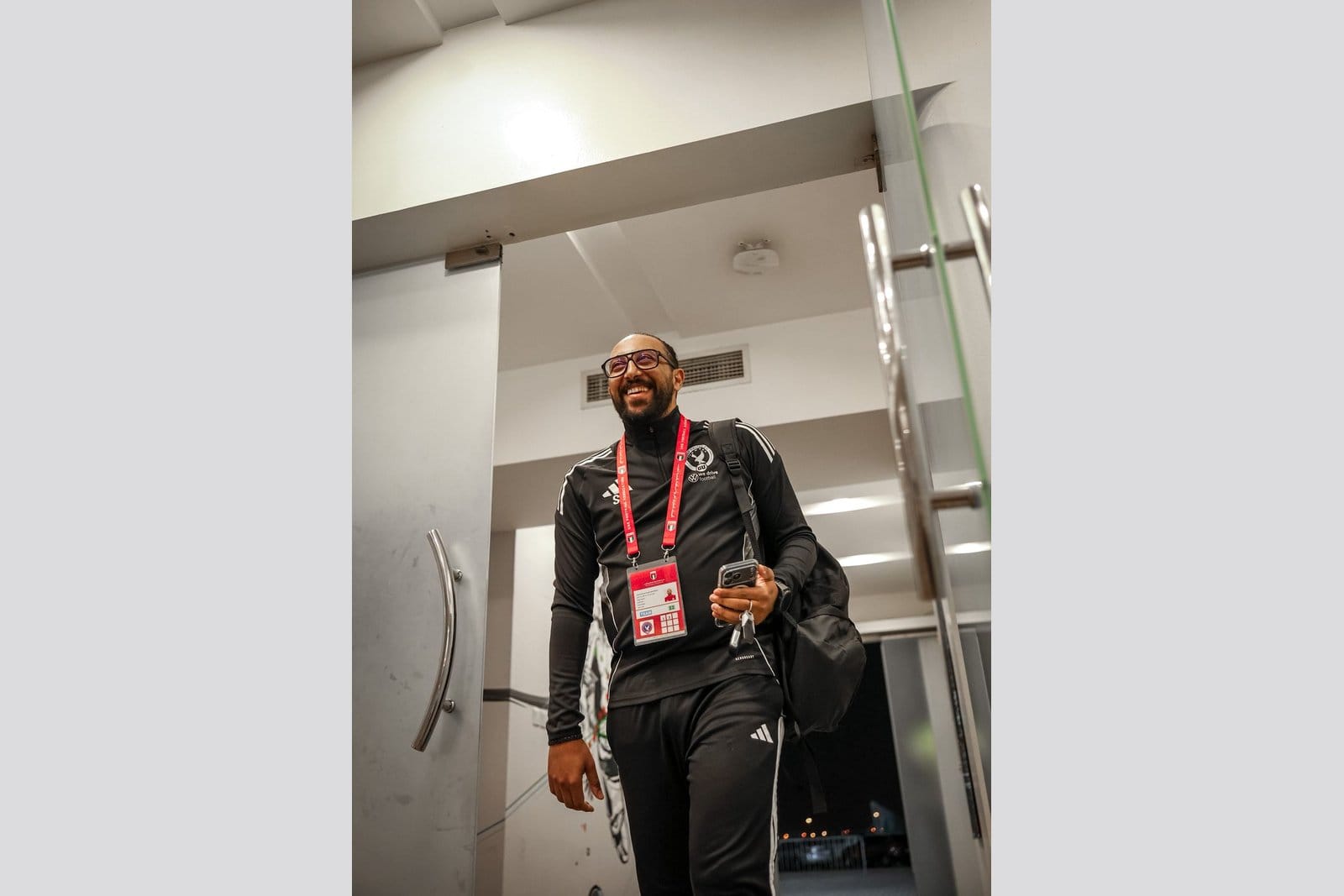
PART 4 · PLAYER DEVELOPMENT & COMMUNICATION
You are simultaneously designing individual development plans across every age group, from the first team down to U19. How should the approach differ between a 17-year-old prospect and a 28-year-old professional? What is your personal philosophy when it comes to age-specific player development?
My approach to age-specific player development is based on balancing potential vs performance, time horizon, and player ownership.
For a 17-year-old prospect, the focus is on long-term development — building technical, tactical, and cognitive foundations with high coaching support, allowing mistakes as part of learning, and using analysis as an educational tool to improve decision-making and game understanding.
In contrast, for a 28-year-old professional, the priority shifts to performance optimization — delivering consistent, role-specific outputs within the team's game model, with low tolerance for inefficiency and greater player ownership of feedback and self-analysis.
As a performance analyst, my role evolves from being more of a teacher with young players to a performance enhancer with senior players, ensuring that development pathways prepare players for first team demands while maximizing the impact of experienced professionals on match outcomes.
Most analysts stop at delivering reports to the coaching staff. Yet you go a step further — running workshops that teach players directly how to read data and video for themselves. Why do you believe players need to be able to analyse their own performance?
From my experience leading performance analysis and player development, I believe analysis should not stop at reports for coaches — it has to reach the player. When players understand how to read video and interpret data, they move from being passive recipients of feedback to active decision-makers on the pitch. In the modern game, situations happen too quickly for players to rely only on external instruction, so developing their tactical awareness, pattern recognition, and ability to self-correct is critical.
Through workshops and applied sessions I conduct independently, I aim to give players simple, role-specific frameworks — what to look for, when, and why — so they can connect analysis directly to their in-game actions. Ultimately, this builds ownership, accelerates learning, and creates more intelligent, adaptable players who can translate analysis into real performance under pressure.
When players understand how to read video and interpret data, they move from being passive recipients of feedback to active decision-makers on the pitch.
There will always be a moment when data collides with a player's ego. When a player tells you, "I remember that moment differently," how do you turn footage and numbers into a mirror rather than a weapon?
It does happen, and my approach is straightforward: whenever I present a player with an action and the related data, I always support it with video footage. The footage, enhanced with telestration, provides clear context and helps the player fully understand the situation. Most importantly, the approach is always focused on improvement, not blame.
When the coaching staff makes a decision that goes directly against what the data suggests, where does an analyst's role end? Where do you draw that line — and is there a specific experience that shaped that boundary for you?
My role as an analyst is to deliver clear team and opposition analysis to the coaching staff — that, in my view, is where the core responsibility ends.
Beyond that, the level of involvement depends on the working relationship and agreement with the coaches. Some coaches value the analyst's input and allow room for real-time feedback or intervention during the game, while others prefer a more traditional boundary. Ultimately, it comes down to alignment, trust, and how the coaching staff chooses to integrate the analyst within the decision-making process.
PART 5 · PROFESSIONAL DEVELOPMENT & FUTURE OUTLOOK
Your list of qualifications is considerable — Barça Innovation Hub, PFSA, AFCAS, Python analytics courses, and more. Which of these has proved most valuable on the ground, and which one honestly fell short of your expectations?
All are good.
In football analysis today, what do you think is the most overrated thing — and what is the most underrated?
From my experience in performance analysis across first-team, academy, opposition analysis, and player development, I think the most overrated thing in football analysis today is the report itself — too many people judge analysis by how polished, detailed, or data-heavy the final presentation looks, when in reality a report has no value unless it changes coaching decisions or player behavior.
The most underrated thing is translation: the ability to turn video, data, and tactical observations into clear, actionable messages that coaches and players can actually use.
In my view, analysis is not about producing more information; it is about producing the right information, in the right way, for the right person, at the right time.
Analysis is not about producing more information; it is about producing the right information, in the right way, for the right person, at the right time.
AI can now auto-generate opposition analysis reports, and algorithms can flag high-potential players before a human scout ever watches the footage. In that world, why is an analyst like you still necessary?
The simple answer is reliability and accountability. While AI can generate reports and flag patterns, it still depends heavily on the quality of the data and the assumptions behind the models. As an analyst, I bring context, validation, and responsibility to the process — interpreting outputs within the tactical framework, the game model, and the real match environment. AI can support decision-making, but it cannot replace the human ability to question, adapt, and take ownership of those decisions.
AI can support decision-making, but it cannot replace the human ability to question, adapt, and take ownership of those decisions.
For a young analyst just starting out, what should come first — technical proficiency with tools, tactical understanding, or something else entirely?
As I always advise young analysts, developing a strong tactical understanding should come before relying on any tools. Tools are there to support the process, but they don't generate real tactical insight on their own.
What truly matters is the analyst's ability to interpret the game. That's why personal development is key — reading, listening to podcasts, and exploring football-related research and journals are all essential. Building this foundation allows you to use tools effectively rather than depend on them.
Finally — five or ten years from now, what do you hope Sameh Abdelghany will have achieved, and what are you doing right now to get there?
In five to ten years, I see myself operating at the highest level of the game — working within an elite first-team environment or international setup, leading a fully integrated performance analysis and scouting department that directly impacts recruitment, game model development, and on-pitch results. I want to be known not just as an analyst, but as someone who builds systems — combining data, video, and tactical insight into a clear decision-making framework that coaches and players trust.
Right now, everything I'm doing is aligned with that goal. I'm continuing to develop academically through my Master's in Performance Analysis, while applying those concepts in real football environments through structured opposition analysis, player development work, and developing analysis workflows using tools like Hudl and Wyscout. I'm also investing heavily in my own development — refining how I communicate insights, creating player education workshops, and expanding my understanding of data and scouting models. For me, it's about consistently bridging theory and practice, so that when the opportunity comes, I'm already operating at that level.
CLOSING
Across twenty answers, what Abdelghany returns to most consistently is not a method or a tool but a posture toward both. The toolkit is wide and unfussy — Nacsport, Wyscout, Metrica Sport, LiveTagPro, Hudl Sportscode, Klipdraw, Once Sports, Python, Excel — and he picks whichever one fits the situation. The methodology is structured but explicitly humble — I operate more as a consultant than a decision-maker. The Q9 question about the Zimbabwe AFCON 2025 work, which most coaches in the series would have used to expand at length, he closes in a single sentence: federation permission is required. Q16, asked which of his many certifications proved most valuable, he closes in three words. The economy is consistent. The conviction is unmistakable.
What is most striking is that the conviction is itself a critique of the field. He names the most overrated thing in football analysis today — the report — and the most underrated — translation. He defines analysis not as the production of information but as the production of the right information, in the right way, for the right person, at the right time. He frames AI's limitations not in terms of what it cannot do, but in terms of what it cannot bear: reliability and accountability. And he is the rare interviewee in this series who, asked about the future, does not name a country or a league he wants to coach. He names a kind of work. Someone who builds systems — combining data, video, and tactical insight into a clear decision-making framework that coaches and players trust.
He is mid-career, half a decade out from a regional EHS management role at Veolia Water Tech. He is completing a Master's in Performance Analysis. He has worked at AFCON for a national team and at first-team level for a UAE Pro League club. He writes from between roles — the Gulf United chapter recently behind him, the next chapter not yet named. He runs workshops that teach players to read data themselves. And he sits, in his own framing, on the analyst side of the trust line — delivering the right information, in the right way, and letting the coaching staff decide what to do with it. Football Agent Lab will be watching, with a quiet hope that the systems he is building find the level of football he is preparing them for, sooner rather than later.
ABOUT THE AUTHOR
SEOK LIM Editor· Football Agent Lab
FIFA-licensed football agent and steel market analyst with over a decade of experience in commodity research. Football Agent Lab publishes interviews and market reports at the intersection of football, agency work, and global markets.


